
An exploration of color theory
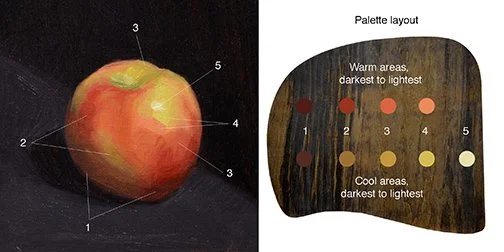
Color is one of the most powerful and expressive tools available to an artist. It has the ability to describe light, define form, create atmosphere, and evoke emotion. While color can feel intuitive, understanding how it works allows an artist to move beyond guesswork and begin making intentional, controlled decisions in their paintings.
This course is designed to introduce students to the fundamental principles of color theory as they apply to oil painting. Through a series of structured exercises and projects, students will learn how to better understand, mix, and organize color in a clear and practical way.
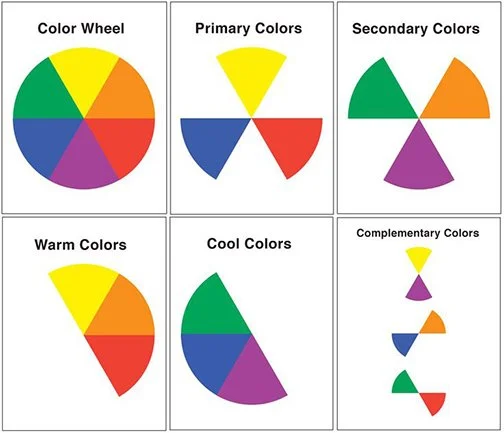
Students will begin with an exploration of the color wheel, learning how primary, secondary, and tertiary colors relate to one another, as well as how complementary color relationships can be used to create harmony and contrast within a painting.
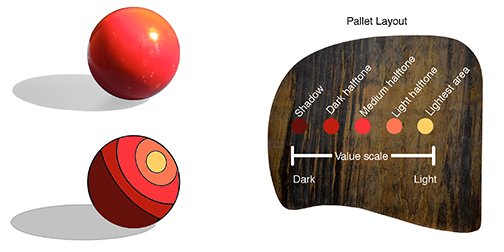
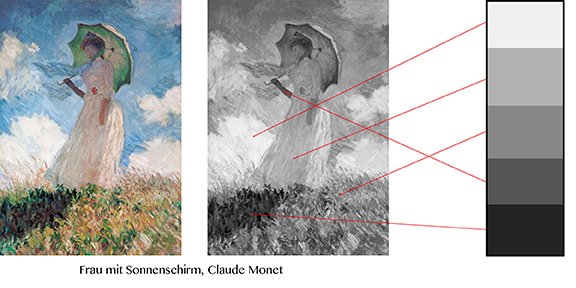
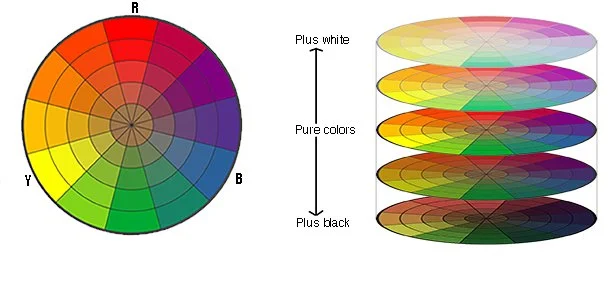
From there, the class will move into a study of value through color. Students will learn how to control tint, tone, and shade, and how value remains the most important factor in creating the illusion of light and form.
As the course progresses, we will explore color temperature and the relationship between warm and cool color. Students will learn how subtle shifts in temperature can create a sense of light, depth, and atmosphere within their work.
We will also examine chroma and color intensity, learning how to control saturation and how to neutralize color using complementary mixtures
Building on these ideas, students will work with limited palettes, learning how to mix a wide range of colors from a small selection of paints. This approach helps to create harmony within a painting and encourages a deeper understanding of color relationships.
The class will then explore color schemes and design, using simple systems based on the color wheel to create more intentional and unified compositions. Students will also be introduced to practical guidelines, such as the 60/30/10 rule, to help organize color within an image.
In addition to working from photo reference and still life setups, students will also study master paintings through focused color studies, allowing them to better understand how color theory is used in practice to create unity, atmosphere, and visual impact.
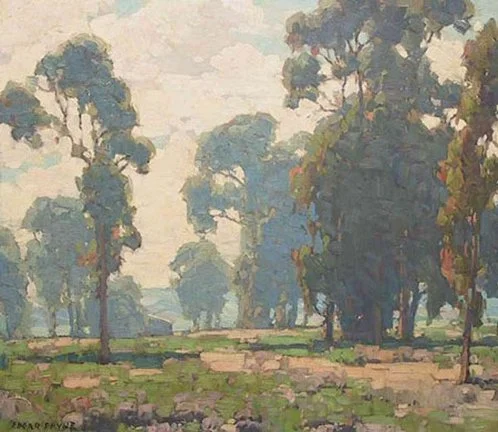
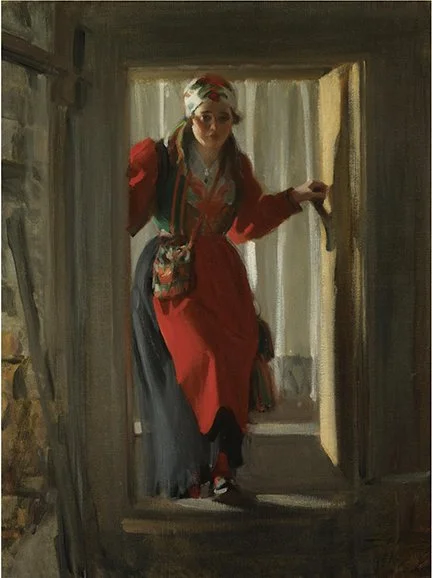
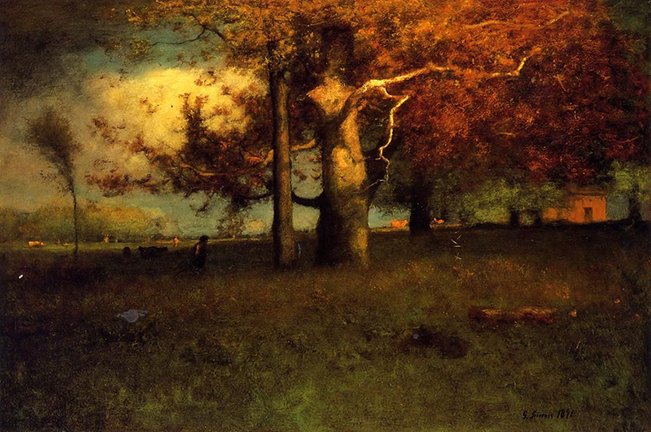

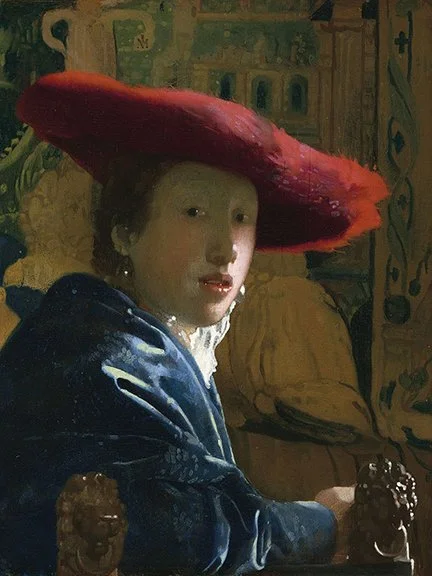

Topics that will be discussed during this workshop
· The color wheel, including primary, secondary, and tertiary colors
· Complementary, analogous, and triadic color relationships
· Tint, tone, and shade
· Value and its role in color painting
· Warm and cool color relationships
· Chroma and color intensity
· Neutralizing color using complementary mixtures
· Limited palette painting and color mixing systems
· Color schemes and their application in painting
· The 60/30/10 rule and color organization
· Color harmony and cohesion
· Applying color theory through master studies
This course is designed for intermediate to advanced students with prior experience in oil painting. A foundational understanding of materials and process is recommended. This class is ideal for artists looking to build upon their existing skills and develop greater control, clarity, and confidence in their use of color.
The structure of the course allows for a large amount of one-on-one instruction, ensuring that each student receives guidance tailored to their individual level and goals.
This class is taught through lectures, live demonstrations, structured exercises, individualized critiques, and working alongside the instructor on each project.
I hope you can join us.
DETAILS
8, 2-hour classes
thursdays
April 23rd to June 11th
Thursdays from 5:30-7:30PM
This Workshop is $460
Art classes are more fun when shared with a friend. Bring a friend who has not taken one of our courses before and you will both receive a %10 discount off of the listed workshop price.
TO SIGN UP FOR THIS WORKSHOP, PLEASE FILL OUT AND SUBMIT THE FORM BELOW.
“Excellent handouts, lectures …etc. It was good to have the teacher doing the projects alongside the class and discussing the various stages with us.”
“I appreciated the carefully planed lessons, the individual attention and tutoring, and the expertise of the instructor.”