
The Hawaiian Masters: Volcano Painting
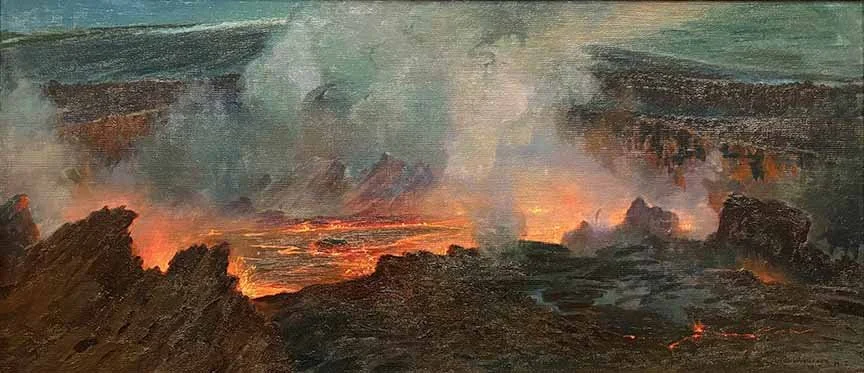
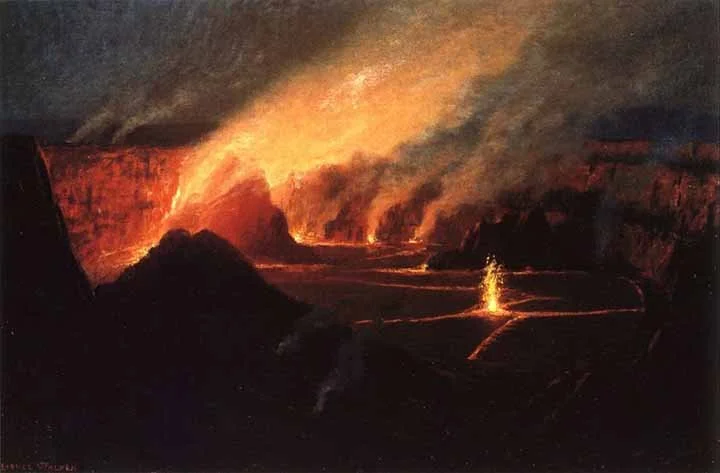
The dramatic volcanic landscapes of Hawaiʻi have inspired generations of artists, capturing the power, beauty, and unique atmosphere of the islands. In this workshop, students will be introduced to the work of Lionel Walden and David Howard Hitchcock, two remarkable painters who were working in Hawaiʻi during the same era that Zorn was painting Sweden, Sargent was painting Italy, and Sorolla was painting Spain. Their paintings stand alongside these great traditions, offering a powerful and uniquely Hawaiian vision of light, atmosphere, and landscape. Many of these works can be seen today at the Honolulu Museum of Art, where they continue to inspire artists and visitors alike.
Throughout the workshop, students will analyze these paintings in depth, discussing the artistic decisions that make them so compelling. We will examine composition, color harmony, atmospheric effects, texture, and brushwork while exploring how each artist approached the challenge of depicting glowing lava, volcanic light, smoke, and the dramatic Hawaiian landscape. Additional historical and contemporary examples of volcano paintings will also be discussed to broaden our understanding of the subject.
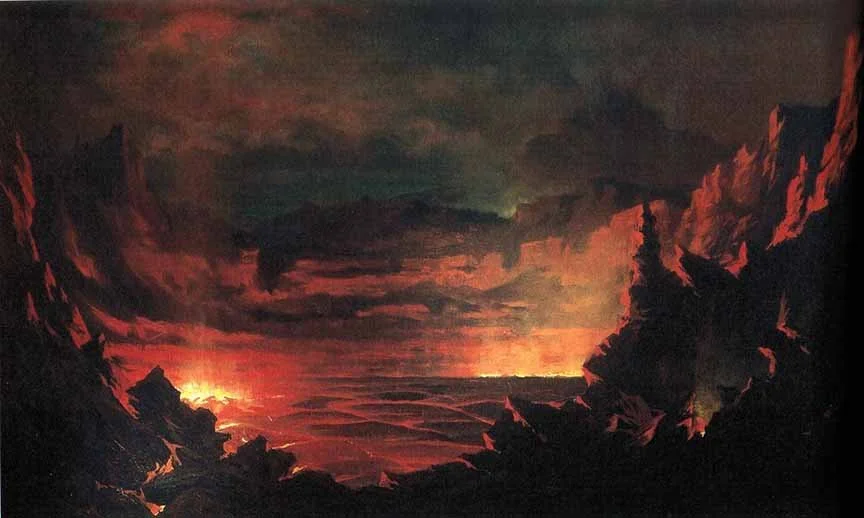
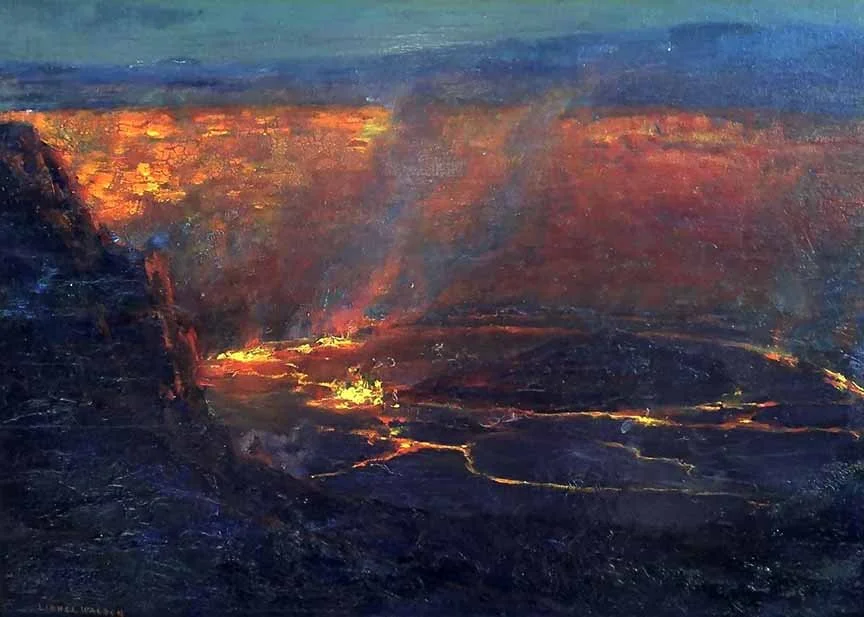
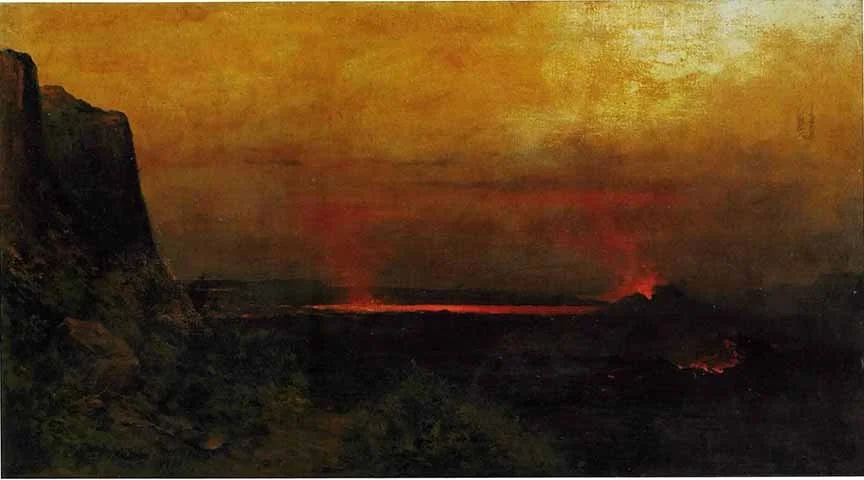
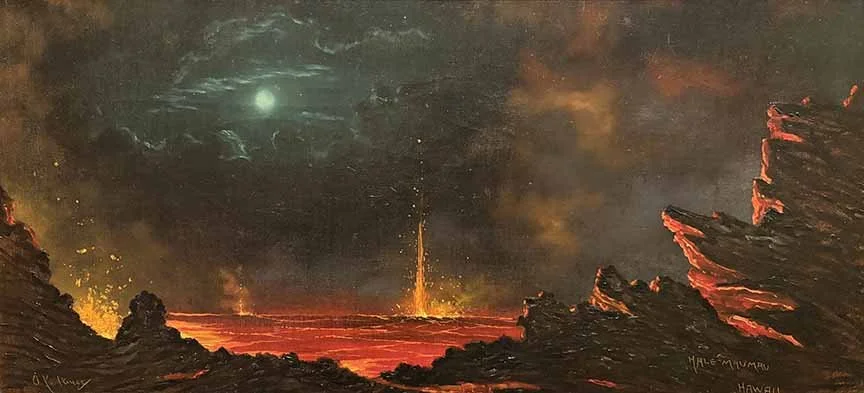
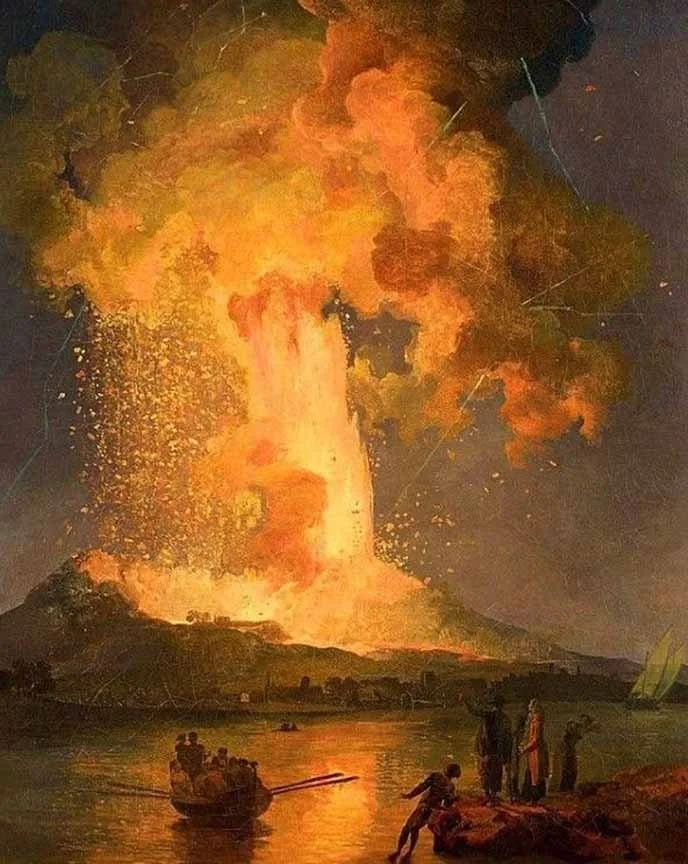
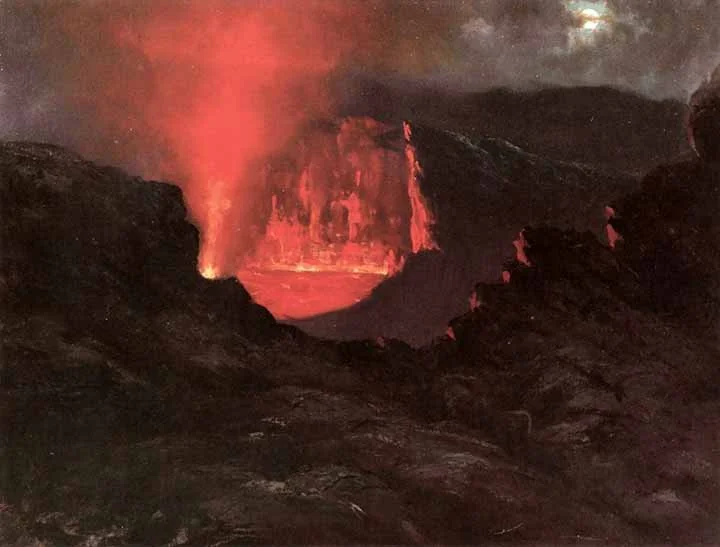
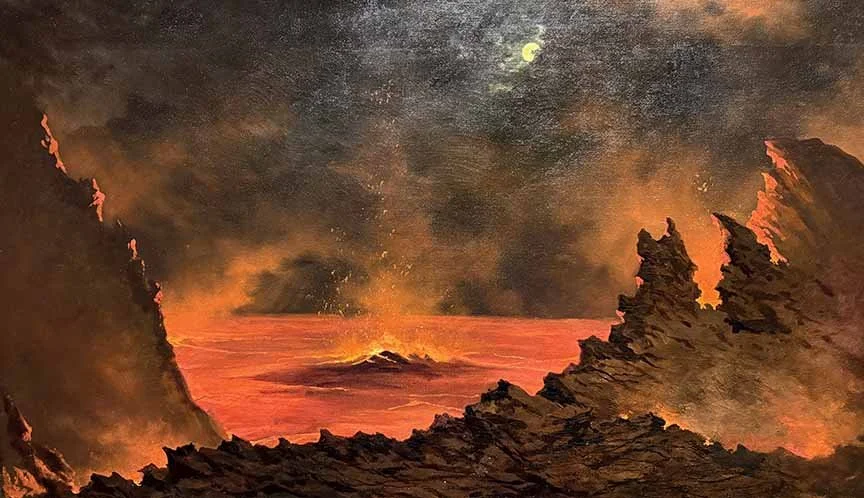
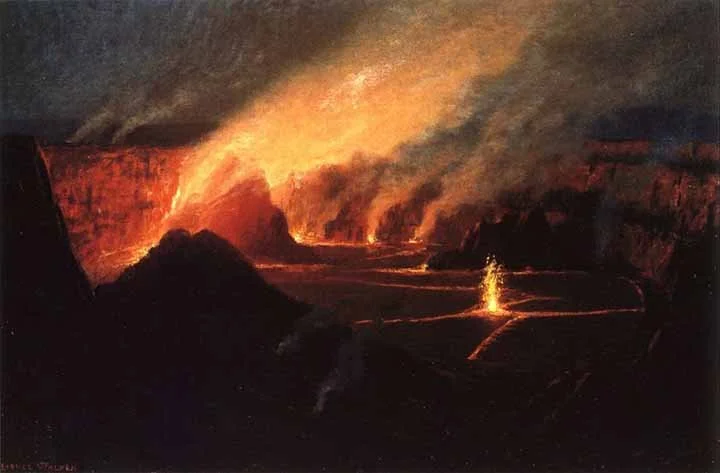
Students will complete a series of master studies, allowing them to gain firsthand insight into the techniques and visual language of these accomplished painters. Along the way, we will discuss effective landscape composition, color relationships, palette organization, and the practical materials and techniques used in classical oil painting.
Special emphasis will be placed on the creative planning process that precedes a successful painting. Students will learn to develop ideas through thumbnail sketches, experiment with compositional arrangements and color schemes, and refine their concepts before committing them to a larger canvas. The workshop will also cover the complete painting process, from the initial concept and preliminary studies, through accurate drawing and block-in, to the final stages of refinement.
Students will learn:
How to analyze master paintings and apply their principles to your own work
Techniques for painting light, atmosphere, and glowing volcanic effects
Strong landscape composition and design strategies
Color harmony and palette organization for expressive painting
Brushwork and texture techniques used in classical oil painting
How to plan a painting using thumbnails and preliminary studies
The step-by-step process of developing a finished oil painting
How to translate historical inspiration into a personal, original work
The workshop culminates in an extended original painting in which students will apply the principles and techniques they have learned to create their own volcano landscape inspired by these artists and others who have explored Hawaiʻi’s landscapes. Rather than simply copying historical works, students will develop a personal interpretation while drawing upon the compositional strategies, color harmonies, and painterly traditions demonstrated throughout the course.
Whether you are looking to strengthen your understanding of landscape painting, improve your command of color, or gain a deeper appreciation for Hawaiʻi's rich artistic heritage, this workshop offers a structured and inspiring approach to creating expressive classical oil paintings.
DETAILS
August 20th to October 8th
8, 3 hour classes
Thursdays from 5:30 to 8:30PM.
Discover the rich tradition of Hawaiian landscape painting through the dramatic volcano paintings of Lionel Walden, David Howard Hitchcock, and other influential artists. In this workshop, students will analyze masterworks, complete painting studies, and explore landscape composition, color harmony, and classical oil painting techniques. The course culminates in an original volcano painting inspired by the Hawaiian masters, giving students the opportunity to apply these timeless principles to create a unique work of their own.
Enrollment is confirmed upon completion of payment
“I appreciated the carefully planed lessons, the individual attention and tutoring, and the expertise of the instructor.”