
Construction drawing and artistic anatomy
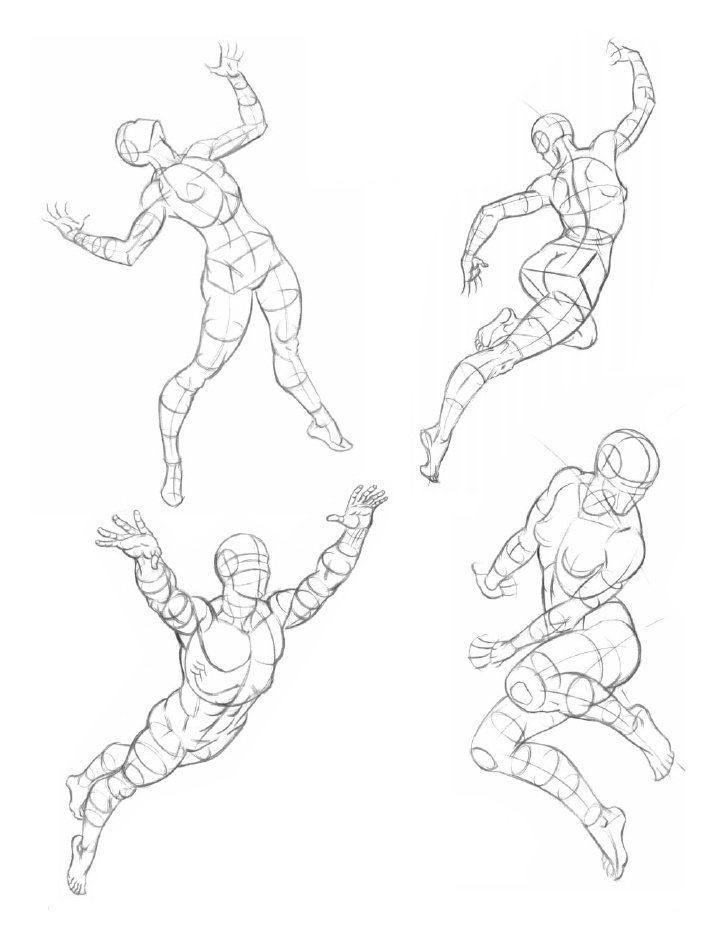
There are two fundamentally different approaches to figure drawing: observational drawing and construction drawing. While both are valuable, they require different ways of thinking about the human figure and offer artists different sets of skills.
Observational drawing, sometimes called the visual impression approach, focuses on accurately reproducing the shapes, proportions, values, and visual relationships we see in a live model or photographic reference. In many ways, the artist approaches the human figure just as they would a still life or landscape, carefully observing and recording what is in front of them.
This approach is particularly effective for achieving an accurate likeness of a specific model. It allows artists to develop their observational skills without necessarily requiring an extensive knowledge of anatomy. However, because the process relies heavily on visual reference, it can be difficult to invent figures from imagination or understand the underlying three-dimensional structures responsible for the shapes we see.
Observational drawing is an important part of classical art training and is explored extensively in several of our other workshops.
In this workshop, we will focus on the second approach: construction drawing and artistic anatomy.


Understanding Construction Drawing
Construction drawing approaches the human figure as a collection of three-dimensional forms that can be understood, manipulated, and assembled in space.
Rather than simply copying the shapes we see, we learn to understand the underlying structures of the human body and how those structures relate to one another.
This approach is particularly valuable for comic book artists, animators, concept artists, illustrators, and anyone interested in drawing figures from imagination. With sufficient study and practice, an artist can develop the ability to construct convincing human figures in a wide variety of poses, from different perspectives, and performing different actions, without relying entirely on photographic references.
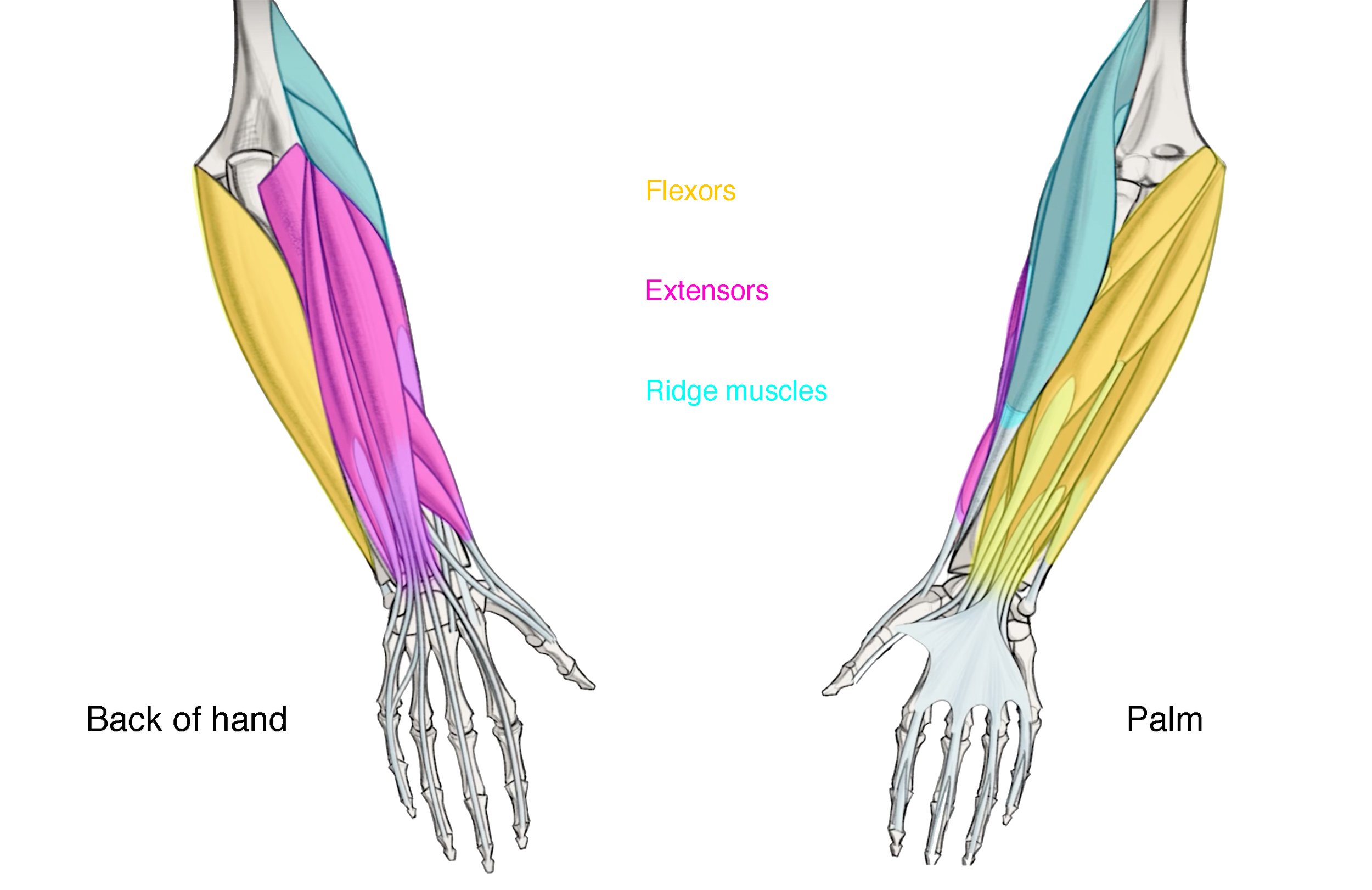
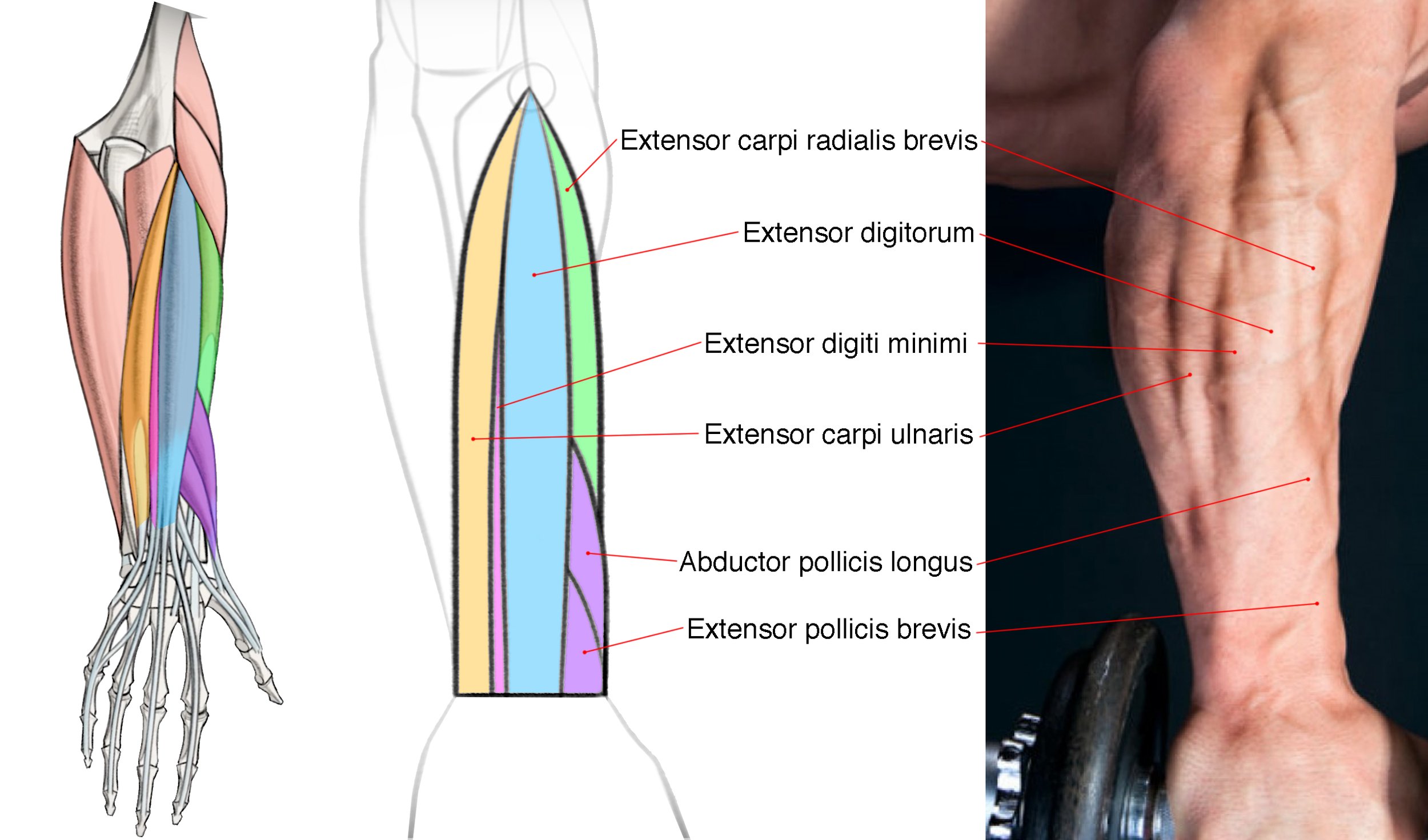
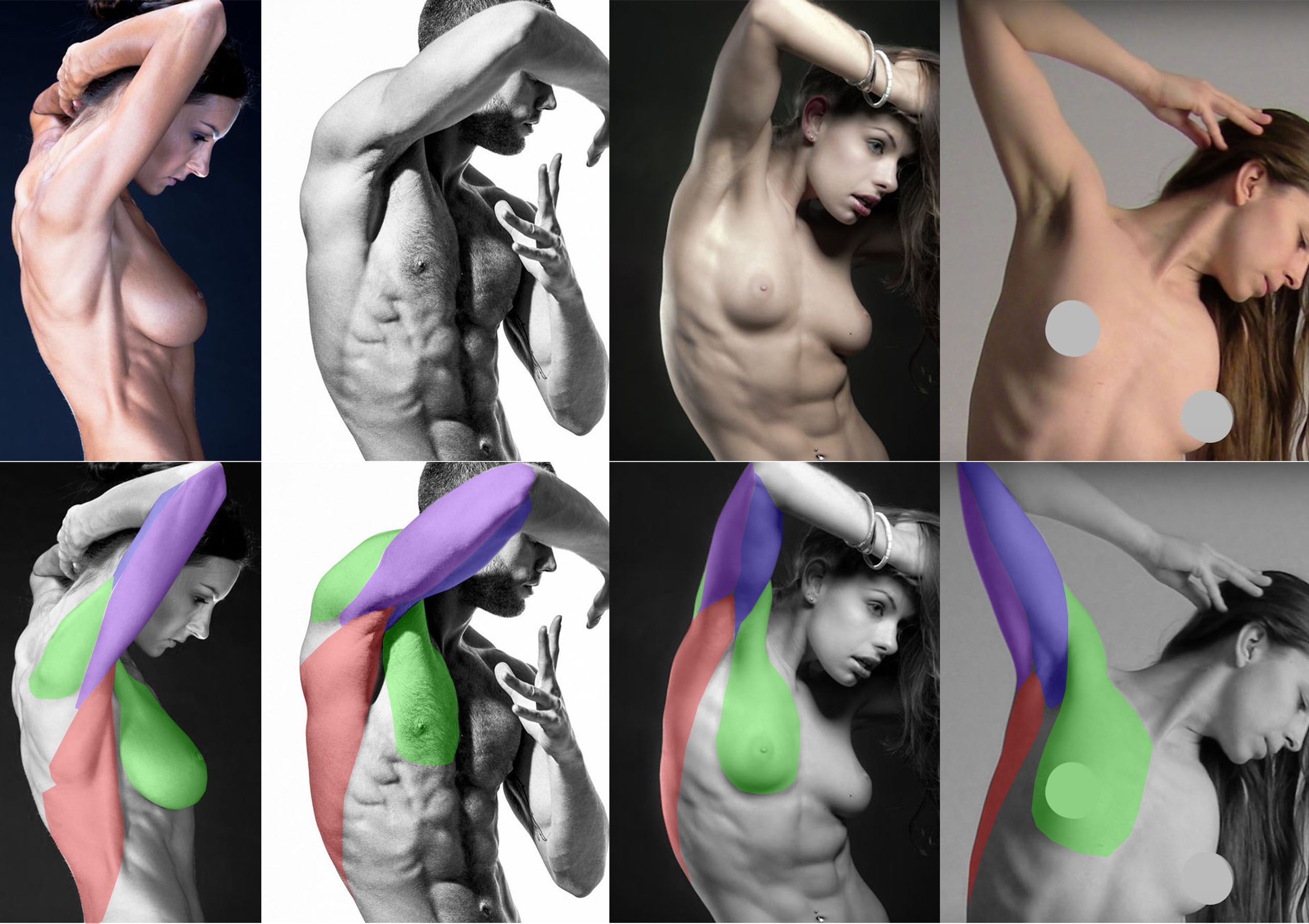
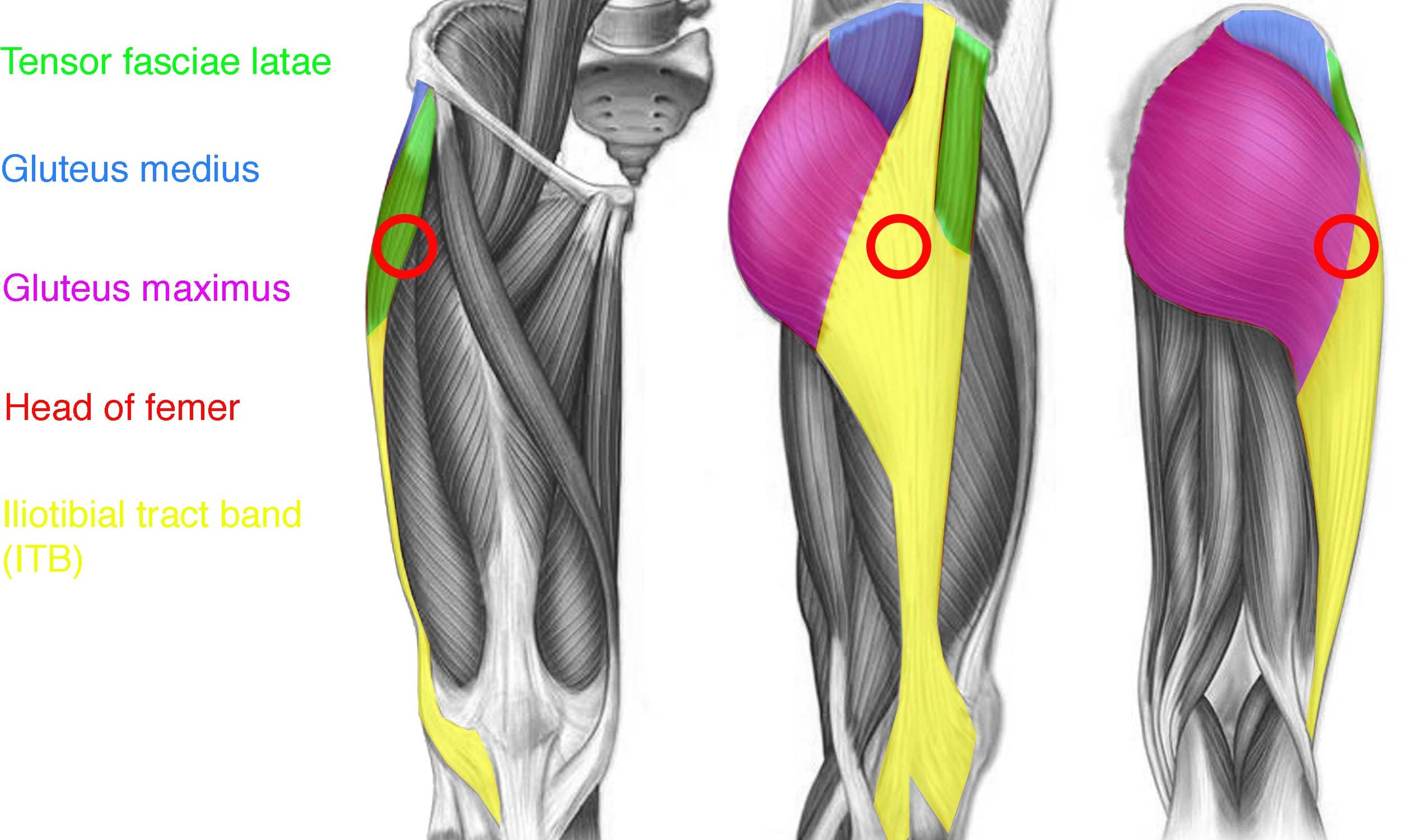
An understanding of artistic anatomy is central to this process. Artists must learn not only to identify the bones and muscles of the human body, but also to understand their three-dimensional forms, how they connect, and how their appearance changes as the body moves.



Building a Figure from Imagination
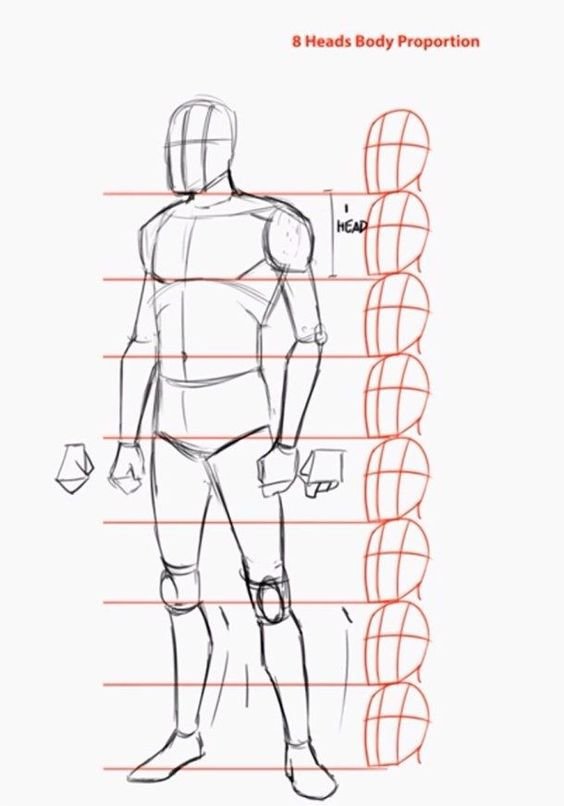
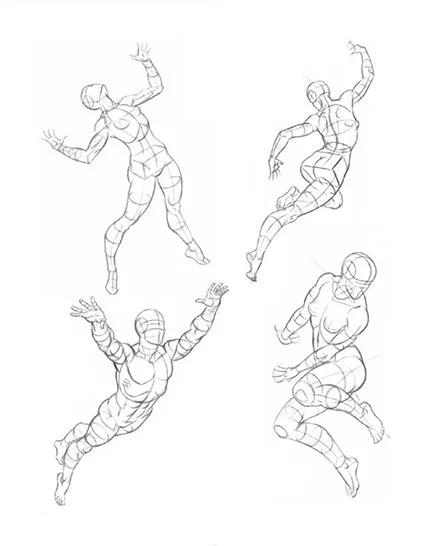
One useful way to understand construction drawing is to imagine building a three-dimensional mannequin in your mind's eye.
This mannequin has the proportions of a real human body, with joints that move and articulate in anatomically believable ways. As artists, our goal is to develop the ability to visualize this mannequin from different angles, position it in space, and manipulate it into a variety of poses.
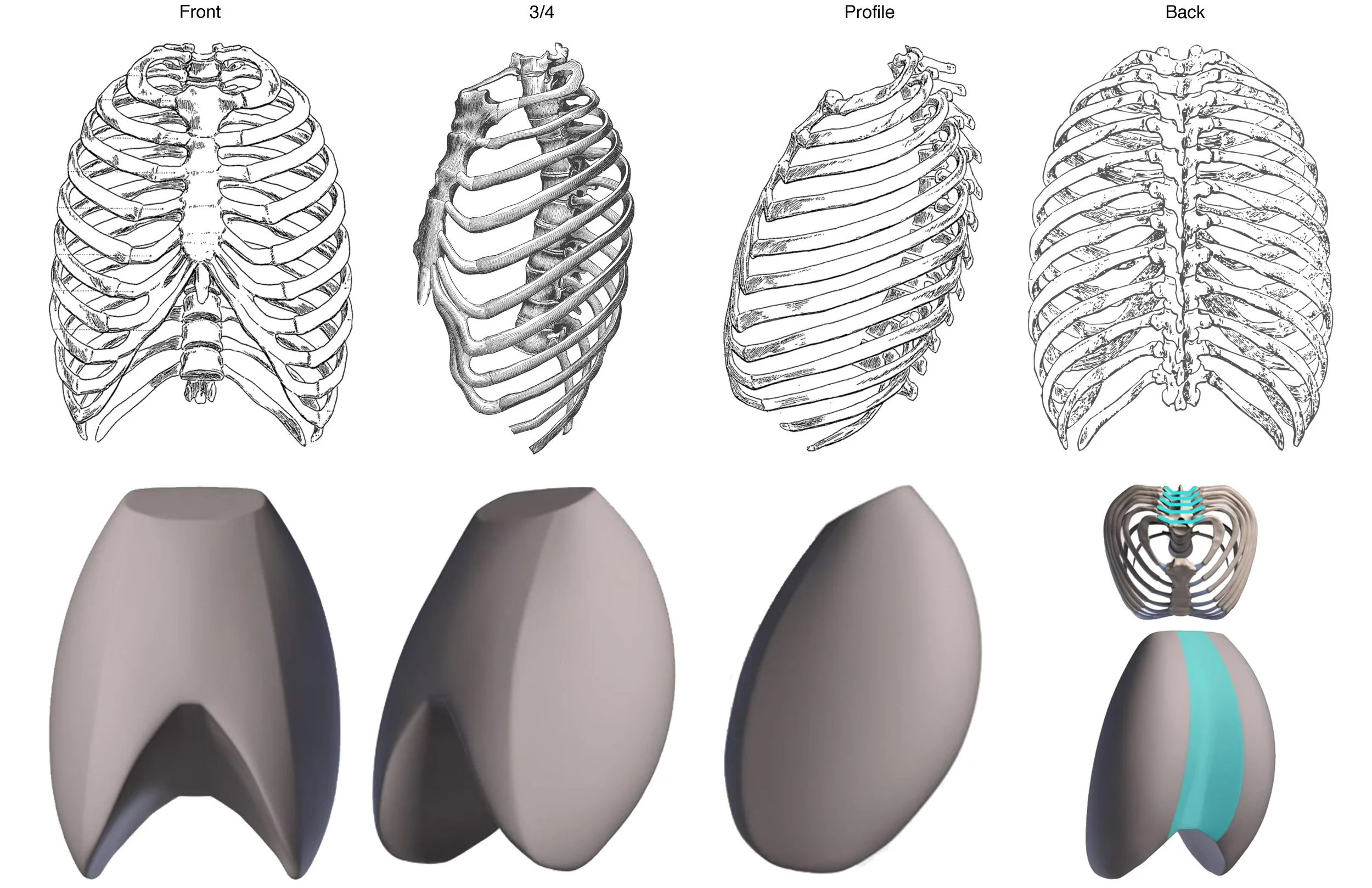
Initially, this mental mannequin is quite simple. The head, rib cage, pelvis, and limbs are represented by basic geometric forms that are easy to visualize and manipulate. These simplified structures allow us to establish the proportions, gesture, and position of the figure without becoming overwhelmed by anatomical detail.
Once the pose has been established, we can begin increasing the complexity of our mannequin.
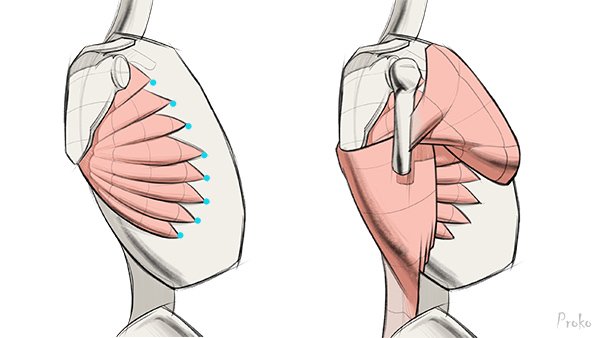
Using our knowledge of artistic anatomy, we gradually build upon these simplified forms, adding the major muscle groups and refining the anatomical structures until our mannequin begins to resemble a convincing human figure.
This progression, from simple geometric forms to increasingly complex anatomical structures, is at the heart of the construction drawing method.
What We Will Study
Artistic anatomy is an enormous subject, and developing a thorough understanding of the human body requires considerable study and practice. This workshop is designed to provide students with a functional foundation in construction drawing and artistic anatomy, introducing the tools and methods needed to begin constructing anatomically convincing figures from imagination.
We will begin with the fundamental proportions and simplified forms of the human body.
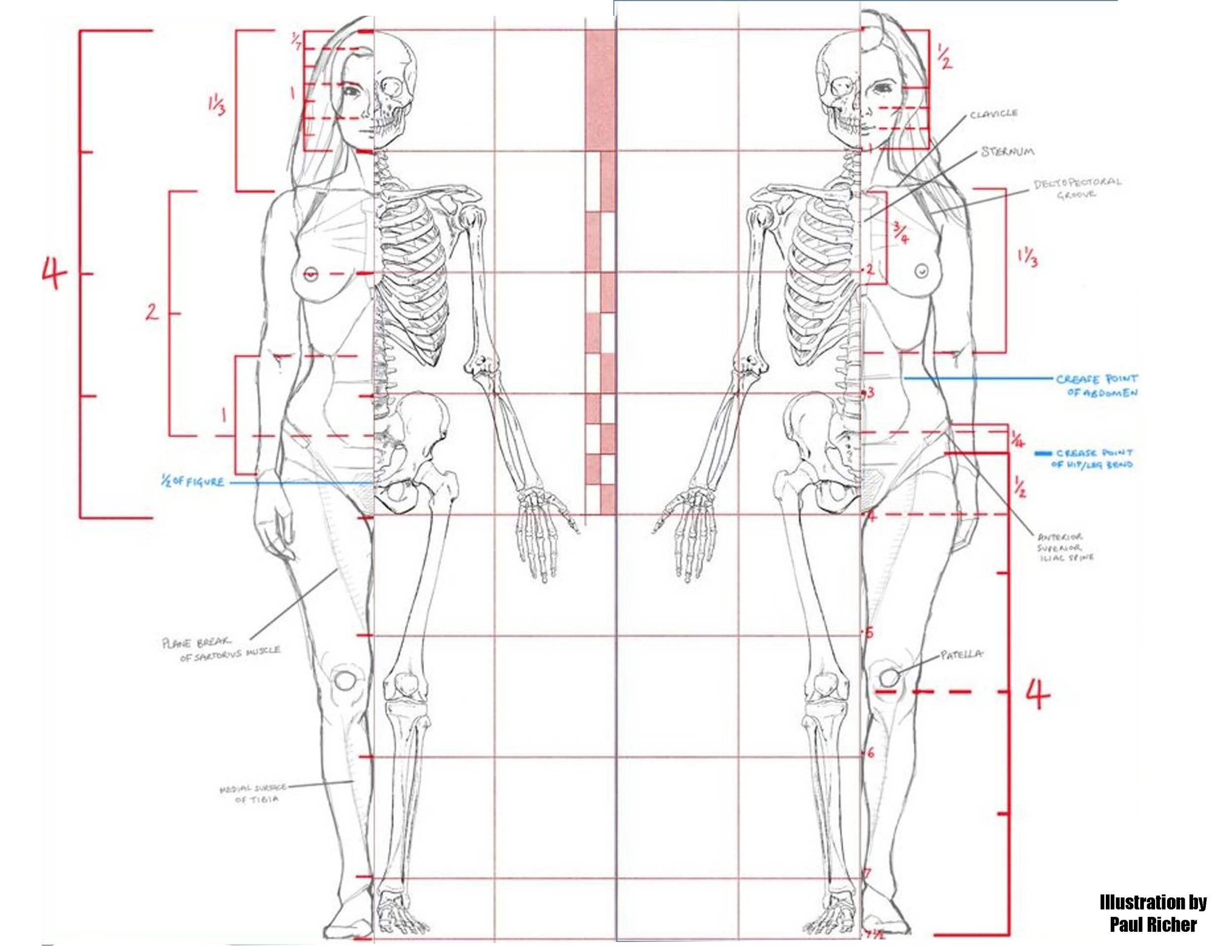
Students will study the traditional canon of human proportions and learn to construct the head, rib cage, pelvis, and limbs using simplified three-dimensional forms. These forms will serve as a collection of memory shapes that students can learn to visualize, rotate, and manipulate in space.
We will also explore the Loomis method of head construction, along with approaches to drawing the hands and feet.
From there, we will begin building our anatomical knowledge, muscle group by muscle group.
Students will first learn to recognize the larger forms and masses of each muscle group before examining the individual muscles that make them up.
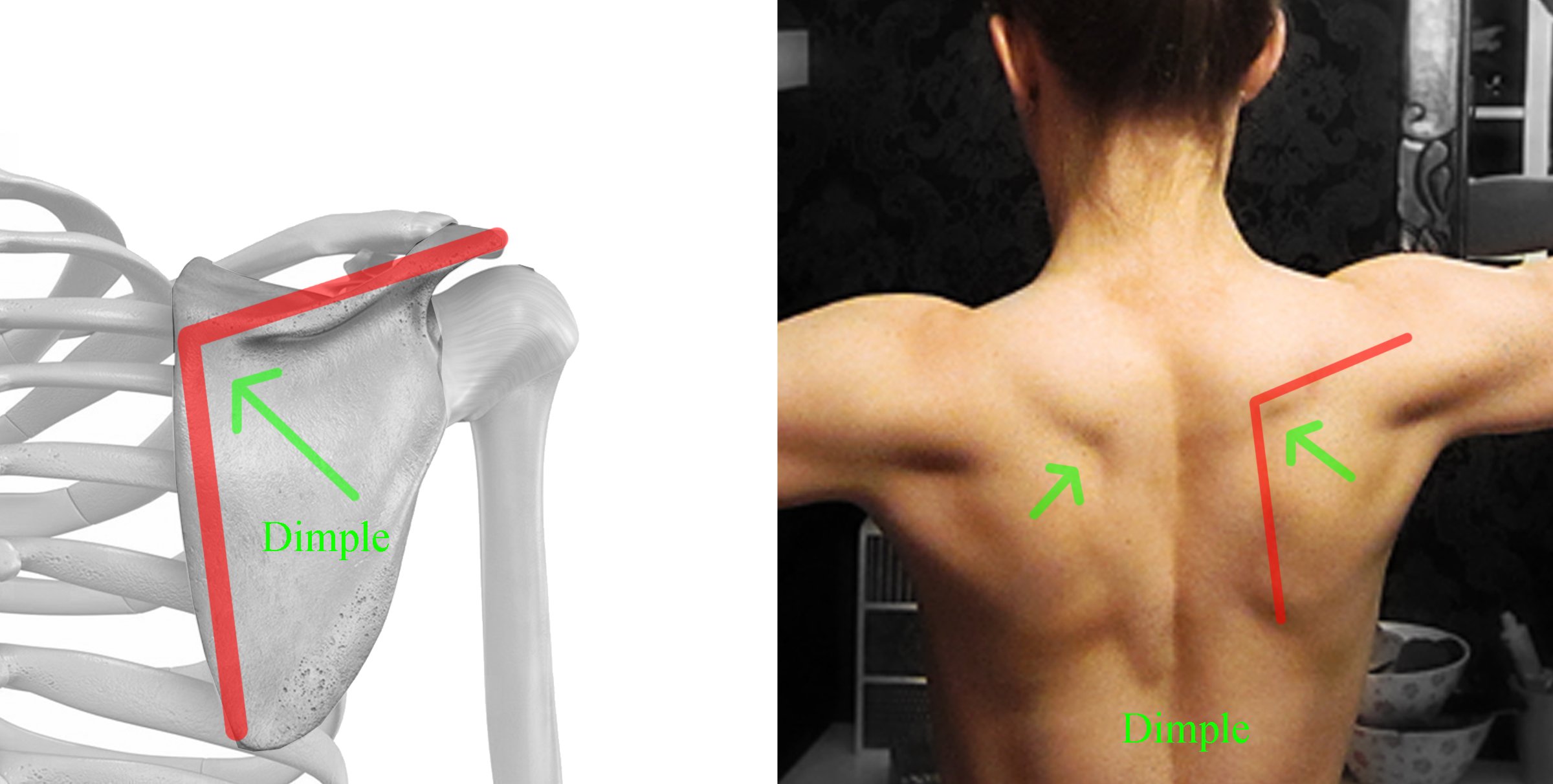
We will study the origins and insertions of the major surface muscles, their three-dimensional shapes, and how their appearance changes as they flex, relax, and stretch.
By studying the body systematically, we will gradually build a more complete understanding of the muscular anatomy of the human figure and how it can be applied to construction drawing.
We will also introduce the fundamentals of shading, values, lighting, and rendering to help students communicate the three-dimensional forms of their drawings more convincingly.

References, Exercises & Instruction
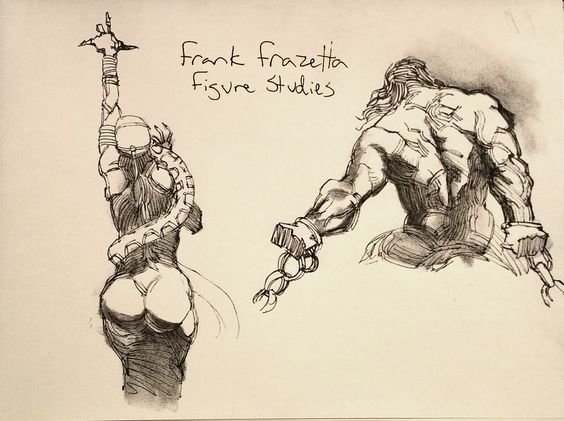
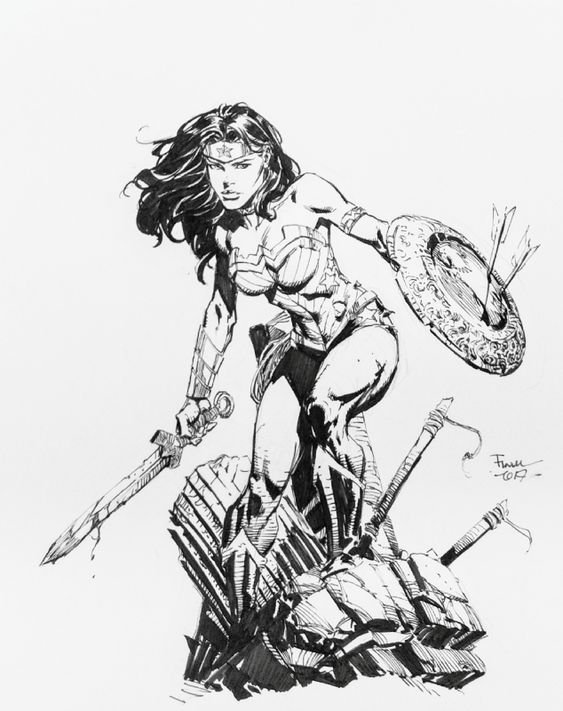
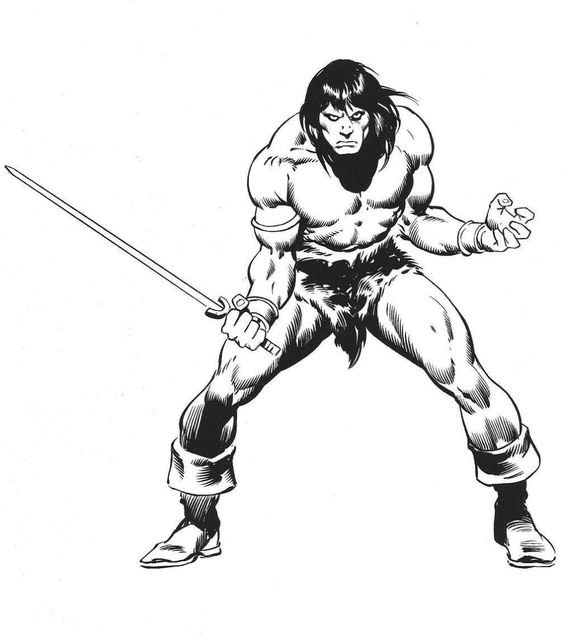
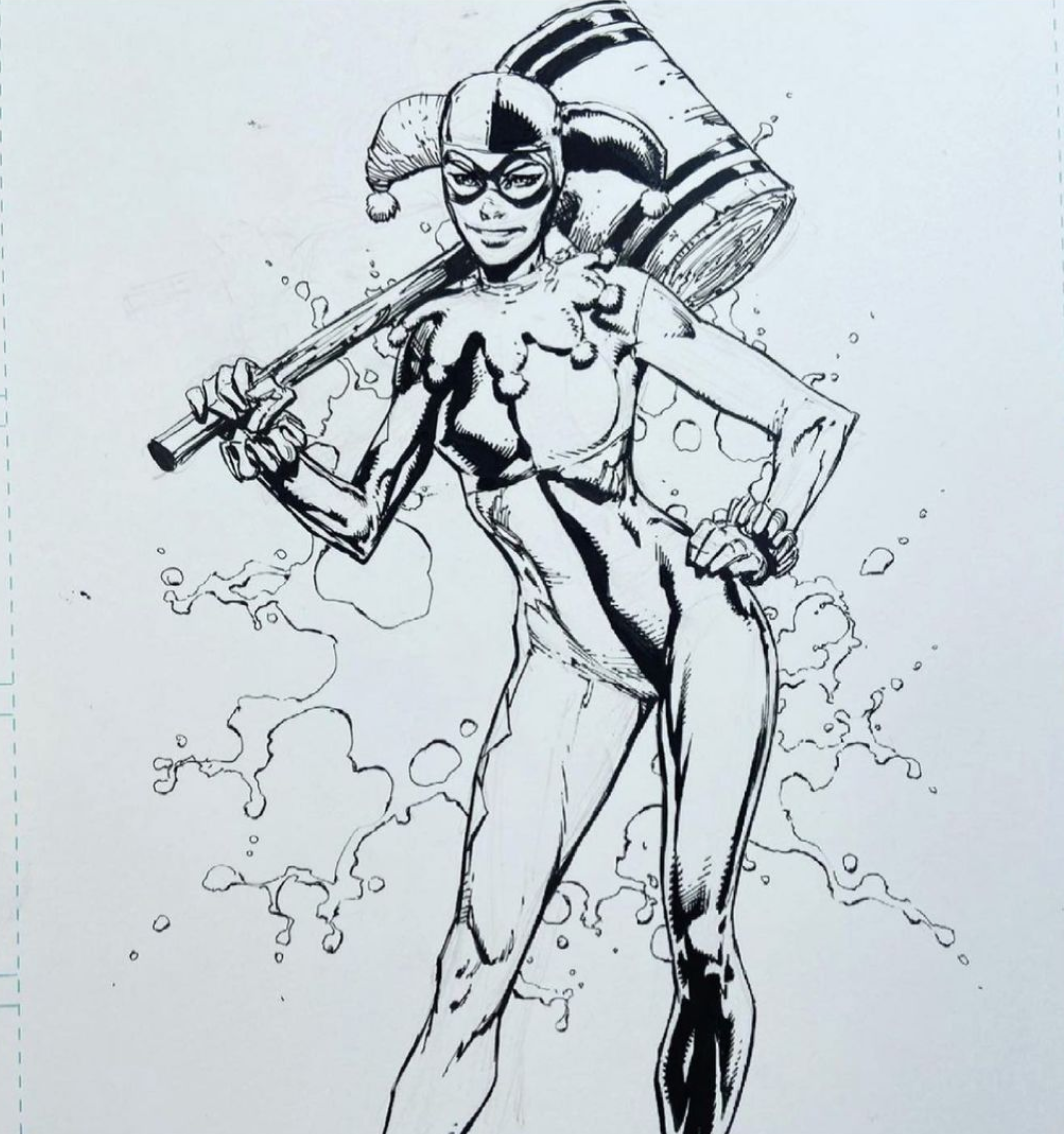
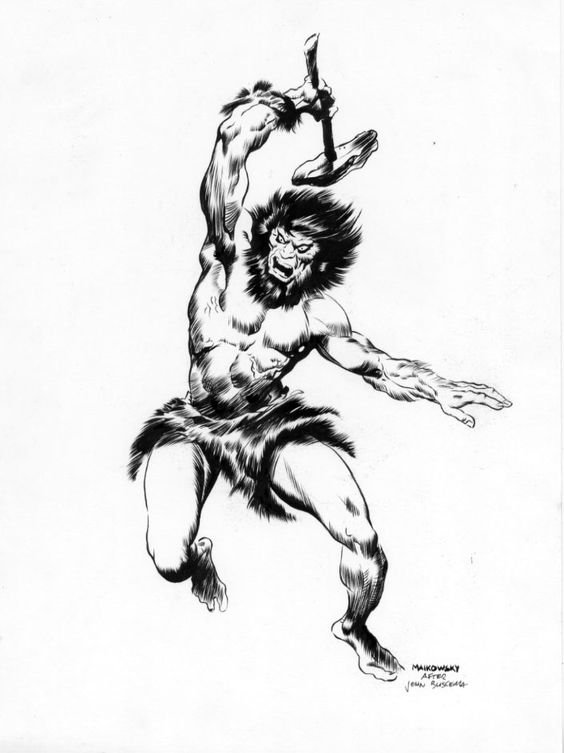
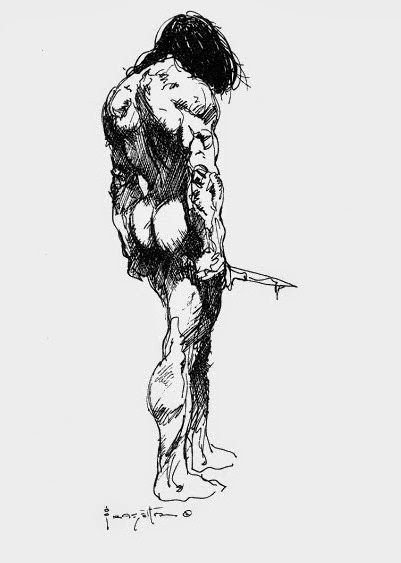
Throughout the workshop, students will work from photographic references, anatomical diagrams, instructional handouts, and master copies of works by artists such as David Finch, Frank Frazetta, and John Buscema.
These references will allow us to examine the human figure from a variety of angles and study how accomplished artists simplify, construct, and interpret human anatomy.
A major emphasis of the workshop will be on developing visual memory through repeated drawing exercises.
Students will begin by carefully studying and copying anatomical forms from reference. They will then practice drawing those same forms from imagination, rotating them in space and applying them to new poses.
Through this process, students will begin developing a mental library of three-dimensional forms that can be recalled and used when constructing figures without reference.
Each class will include lectures introducing the day's anatomical subjects and drawing concepts, along with live demonstrations of the techniques and exercises being studied.
Students will also receive individualized critiques and one-on-one instruction to help them identify areas for improvement and develop their drawing skills.
Whether your interests lie in traditional fine art, illustration, comics, animation, or simply gaining a deeper understanding of the human figure, this workshop offers an opportunity to develop a more informed and constructive approach to figure drawing.
We hope you will join us as we explore the fascinating subject of artistic anatomy.
Skills Students Will Learn
Human Proportions: Study the traditional canon of human proportions and learn to apply it when constructing figures.
Three-Dimensional Figure Construction: Learn to build a proportionally accurate mannequin using simplified geometric forms and position it in space from imagination.
Head Construction: Explore the Loomis method of constructing the head and facial features from different angles.
Hands and Feet: Learn systematic approaches to simplifying and constructing these complex anatomical forms.
Artistic Anatomy: Study the major surface muscles of the human body, including their forms, attachment points, and how they change with movement.
Drawing from Imagination: Develop a mental library of anatomical forms through observation, memorization, and drawing exercises.
Light and Form: Be introduced to the fundamentals of shading, values, lighting effects, and rendering three-dimensional forms.
DETAILS
July 17th to August 15th
10, 3 hour classes
Saturdays and Sundays from 9AM - 12
Construction drawing is one of the most powerful methods for drawing the human figure from imagination. Widely used by comic book artists, animators, concept artists, illustrators, and fine artists alike, this approach provides a systematic framework for understanding the figure as a three-dimensional form. Once mastered, it allows artists to convincingly draw the human body from any angle, in any pose, and performing any action—without relying on photographic reference.
In this workshop, construction drawing and artistic anatomy are taught together, giving students a deeper understanding of the underlying structure of the human body. Through a study of form, proportion, and the major muscle groups, you'll develop the knowledge and confidence to invent believable figures from your imagination.
Enrollment is confirmed upon completion of payment
“This class was fantastic! I 100% recommend taking workshops at ZAFA. The instructor is so talented in his craft and in teaching. He was thoughtful and supportive throughout the process and was able to teach the skills in a way that was kind, easy to understand and was so patient as I asked him to repeat steps or re-explain the process.
The facility was great, the environment was great and the camaraderie with other students was perfect.
I did find this class challenging but never did I feel unsupported. I’m so happy I took this class.”
“Great for experienced artists and beginners alike! My wife and I have taken several workshops with ZAFA and thoroughly enjoyed everyone! Highly recommend for anyone interested in picking up a new hobby or refining their skills!!!”
“Every class I attend, I always take something with me that helps improve my work. William does a great job at guiding you to reach your potential.”