

Introduction to classical oil painting


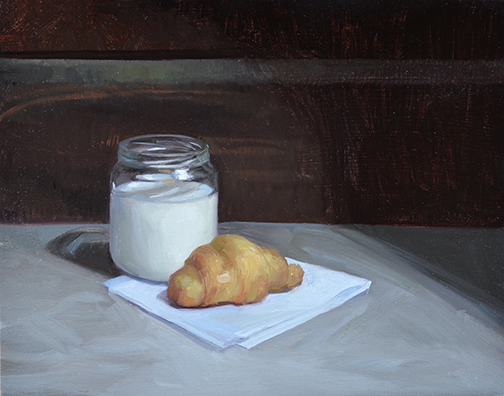


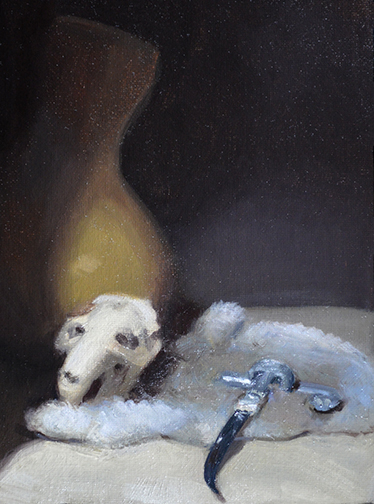
Oil painting combines the fundamental principles of drawing with the additional challenges of color, temperature, and the unique properties of oil paint. Creating a successful painting requires an understanding of each of these elements, as well as the ability to bring them together into a cohesive whole.
In this comprehensive workshop, we will break down the painting process into its individual components, examining each in a clear and systematic way. Through a series of exercises, demonstrations, and progressively more complex projects, students will develop a stronger understanding of the principles and techniques involved in classical oil painting.
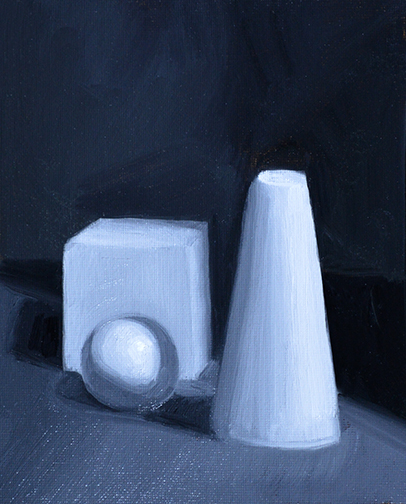
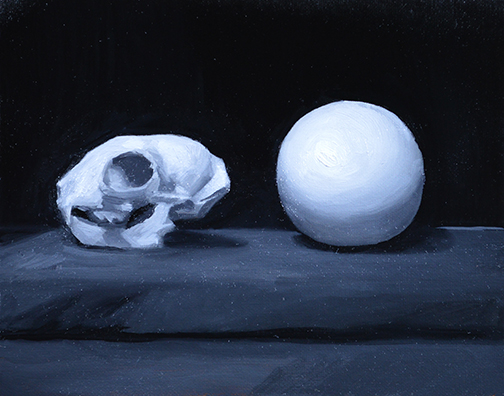


Topics covered in this workshop include:
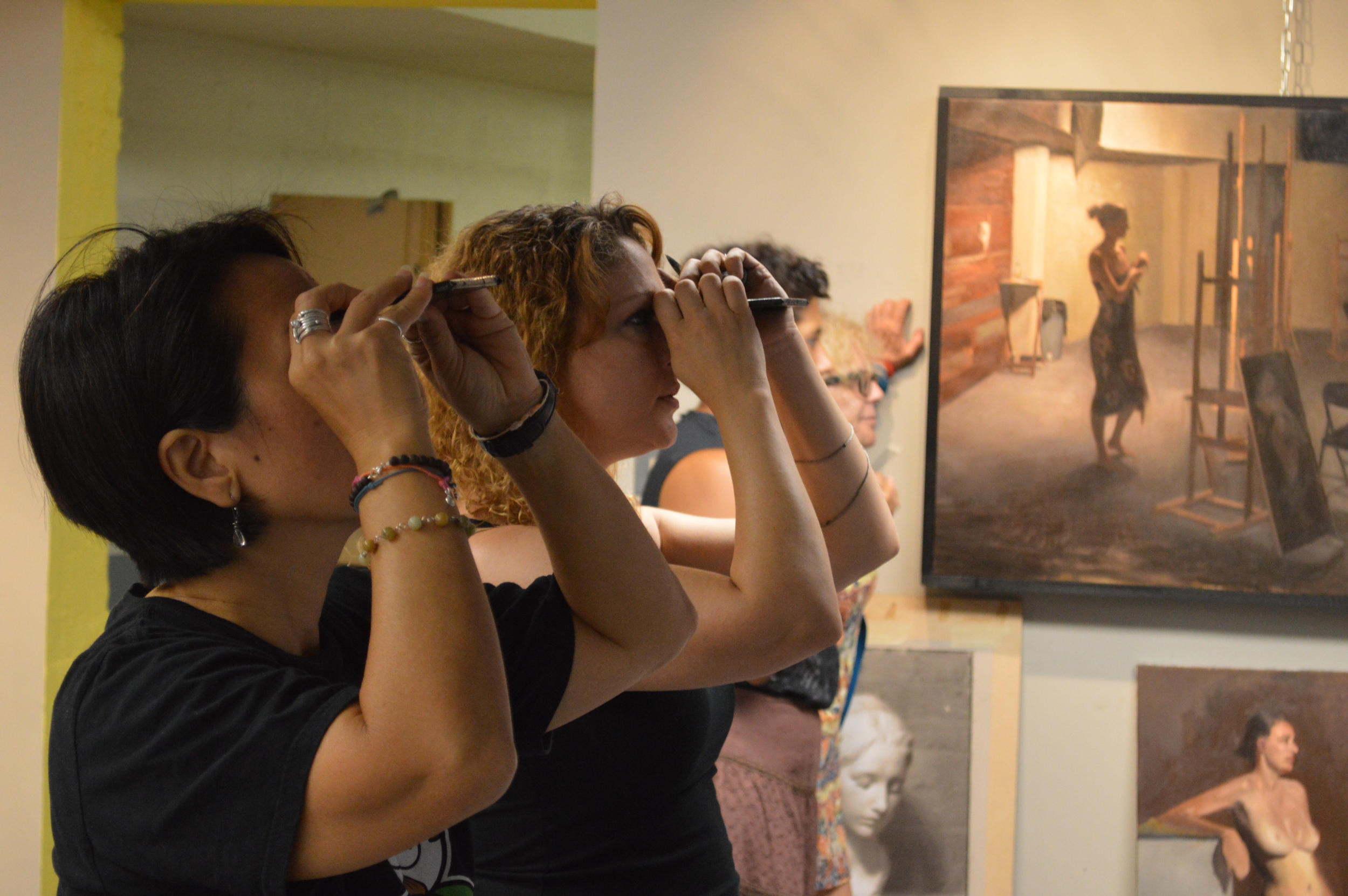
Drawing and Proportion: Developing linear accuracy through observation, comparative measuring, and techniques for establishing correct proportions while working from life.
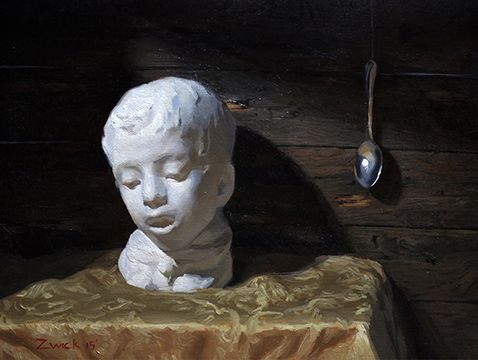
Value and Light: Understanding how to identify, simplify, and organize values to create convincing effects of light, space, and three-dimensional form.
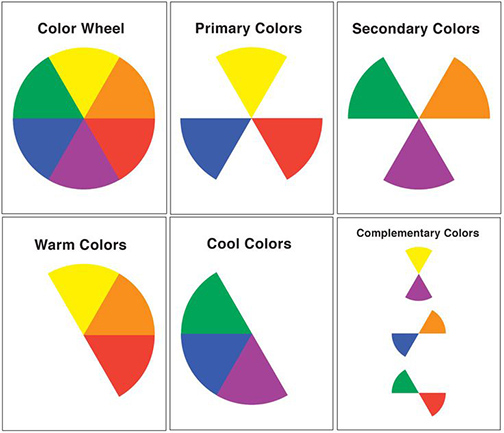
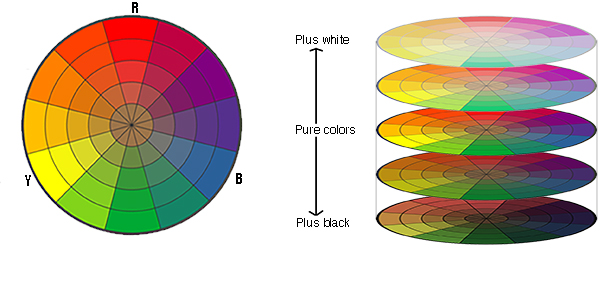
Color Theory and Mixing: Exploring primary and secondary colors, the color wheel, and practical methods for mixing colors accurately and confidently, including an understanding of color-value.
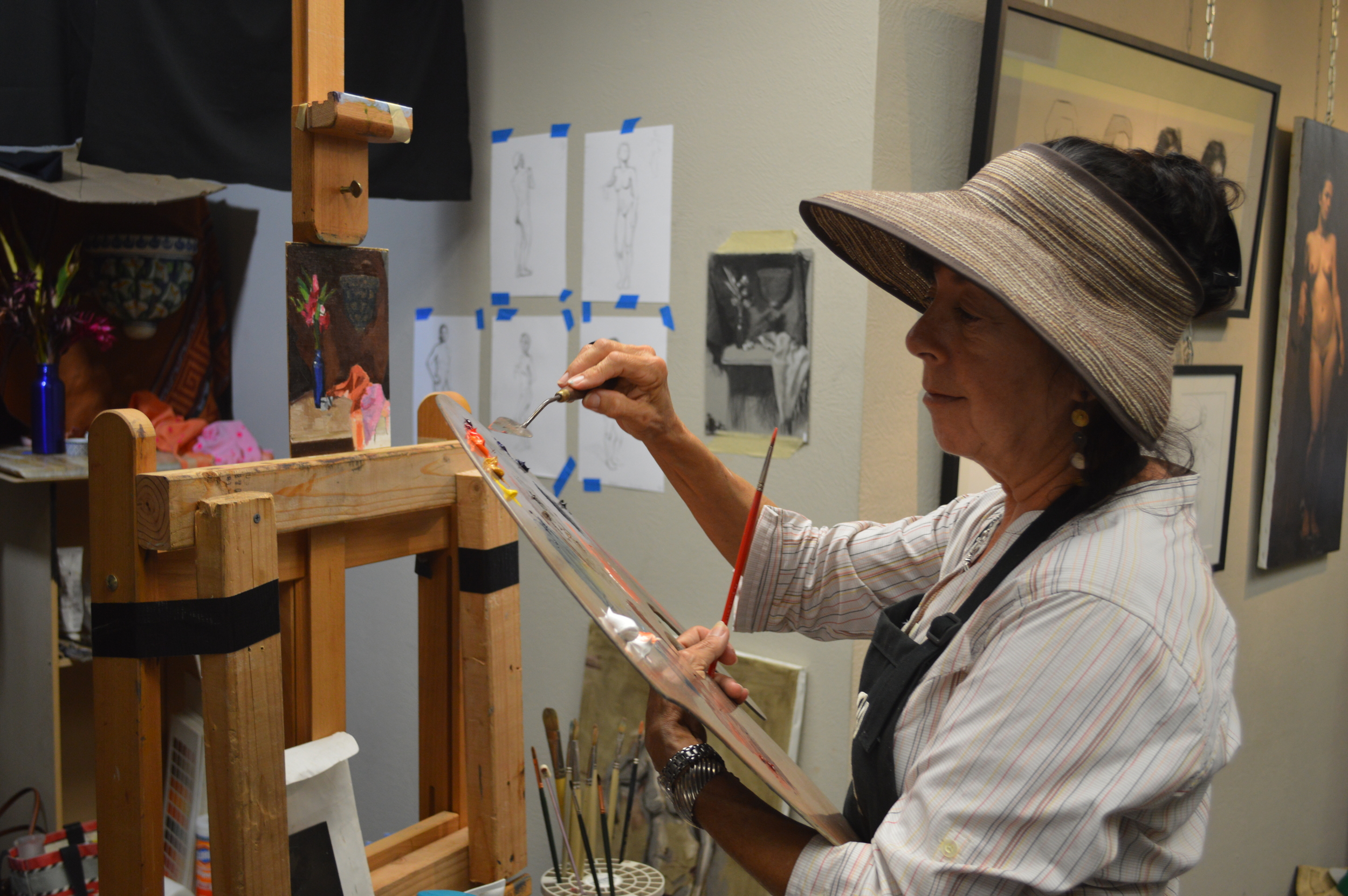
Palette Organization: Learning effective approaches to arranging colors and preparing paint mixtures on the palette to make the painting process more efficient and deliberate.
Color Temperature: Identifying warm and cool color relationships in nature and learning how to organize and apply these relationships within a painting.
The Painting Process: Understanding the progression of a painting, from the initial drawing and block-in to the refinement of forms and the addition of finishing details.
Composition: Exploring the principles of visual balance, the arrangement of elements within a picture, and the use of focal points to guide the viewer's eye.
Portraiture and Figure Painting: An introduction to painting the human form, including the fundamentals of portraiture, figure painting, and the mixing of flesh tones.




Workshop Structure
Building a Foundation
The workshop will begin with a series of small projects and exercises designed to isolate and explore the essential elements of painting. Students will practice establishing accurate proportions, organizing values, understanding color relationships, and developing confidence in mixing and applying paint.
Particular attention will be given to the relationship between light and form. Students will learn a systematic approach to observing and simplifying values, allowing them to create a convincing illusion of three-dimensional form and a unified effect of light.
We will also examine practical methods of organizing the painter's palette. Much of the work of painting takes place before the brush ever touches the canvas. By learning to prepare accurate mixtures of color, value, and temperature, students can approach the application of paint with greater clarity and control.
Putting the Principles into Practice
In the second half of the workshop, students will begin applying these principles to more involved projects, including the arrangement and painting of their own still life compositions.
Throughout these projects, we will examine the sequence of decisions involved in creating a painting: establishing the initial drawing, blocking in the major shapes and values, covering the canvas, and gradually refining the image toward completion.
We will also explore the fundamentals of composition, considering how the placement, balance, and relationships of objects can create visual interest and direct the viewer's attention.
An Introduction to Portraiture and Figure Painting
In the final portion of the workshop, we will turn our attention to painting the human form. Students will be introduced to the fundamentals of portraiture and figure painting, with particular emphasis on understanding and mixing flesh tones.
These projects will provide an opportunity to apply the drawing, value, color, and temperature principles explored throughout the workshop to one of the most challenging and rewarding subjects in representational painting.
Who Should Attend?
This workshop is open to students of all skill levels and backgrounds, from complete beginners to more experienced painters looking to strengthen their foundations.
The complexity of individual projects can be adjusted to accommodate each student's experience and ability. Instruction will include live demonstrations, handouts, and individual critiques throughout the workshop.
Whether you are picking up a brush for the first time or looking to develop a more systematic and confident approach to oil painting, this workshop offers an opportunity to deepen your understanding of the craft and principles of classical painting.
I hope you can join us!

DETAILS
June 12th to July 11th
10, 3 hour classes
Saturdays and Sundays from 9AM-12
This comprehensive workshop introduces students to the classical approach to oil painting through a structured, step-by-step curriculum. Along the way, you'll learn techniques for achieving accurate drawing and proportion, understanding value and light, preparing a canvas, working with painting mediums and materials, mixing color, organizing an effective painter's palette, and composing successful still lifes. The workshop also includes an introduction to portrait and figure painting, including the fundamentals of mixing convincing flesh tones. Whether you're picking up a brush for the first time or looking to strengthen your technical foundation, this workshop offers a solid framework for continued artistic growth.
Enrollment is confirmed upon completion of payment
“I just took the intro to classical oil paint. With no experience oil painting before I am extremely happy with how much I’ve learned. William sends out lots of information to us each week that goes into extreme depth about what we are learning about. I would recommend anyone to take one of his classes!”
“I appreciated the carefully planed lessons, the individual attention and tutoring, and the expertise of the instructor.
I would recommend this class to anyone serious about painting. ”
“I will be encouraging the artists I know to come learn from you.
”
Get information about upcoming workshops, events, and ZAFA news