
Introduction to Portrait Drawing and Painting

Portraiture is one of the most challenging and rewarding disciplines in representational art. Creating a convincing portrait requires more than simply capturing a likeness. It demands an understanding of proportion, anatomy, light, value, and color, as well as the ability to bring these elements together into a cohesive image.
In this workshop, we will break down the process of portrait drawing and painting into its individual components, exploring each through a clear and systematic approach. Students will be introduced to practical tools and techniques designed to help them navigate the different stages of creating a portrait with greater accuracy, efficiency, and confidence.
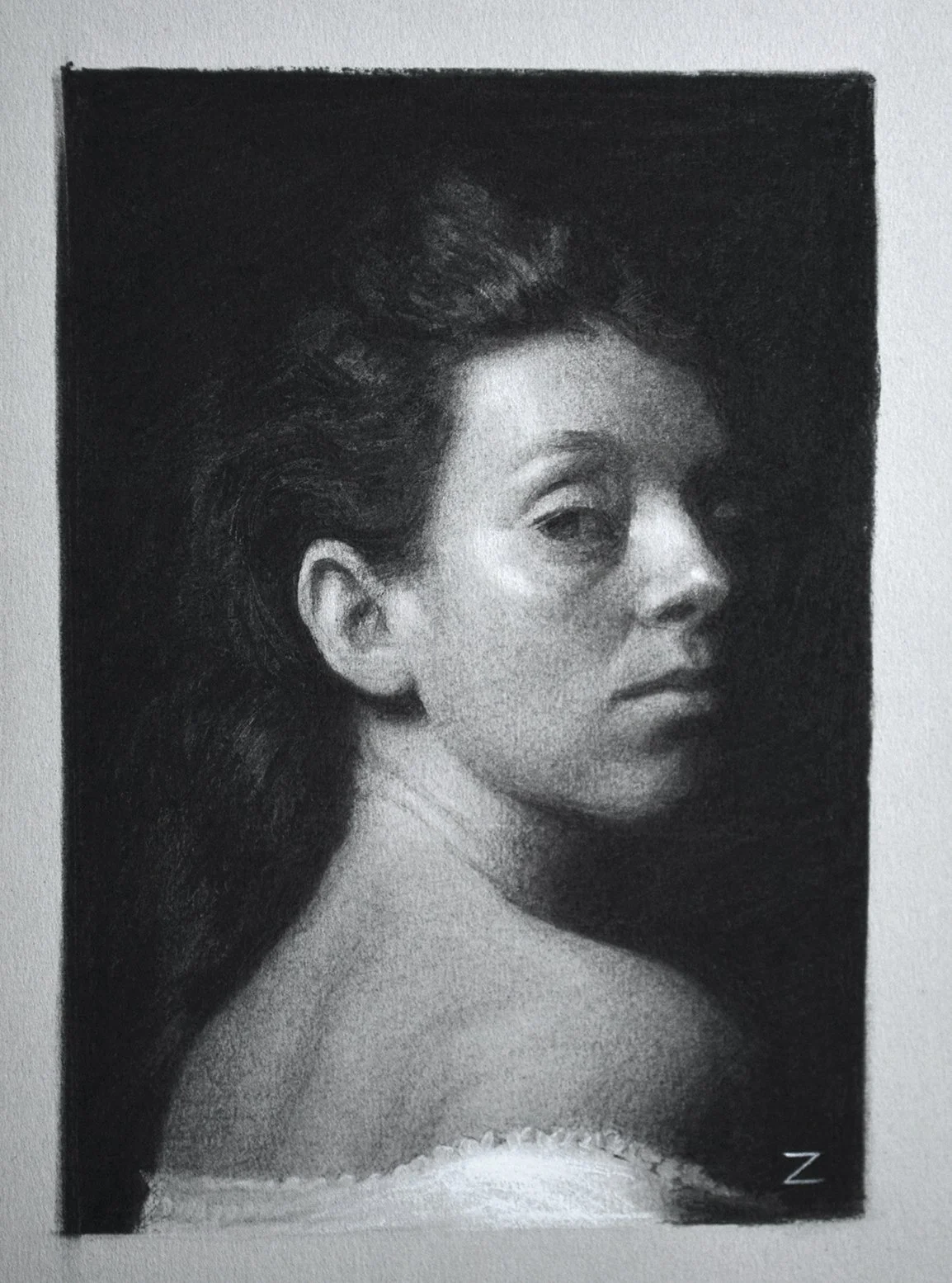


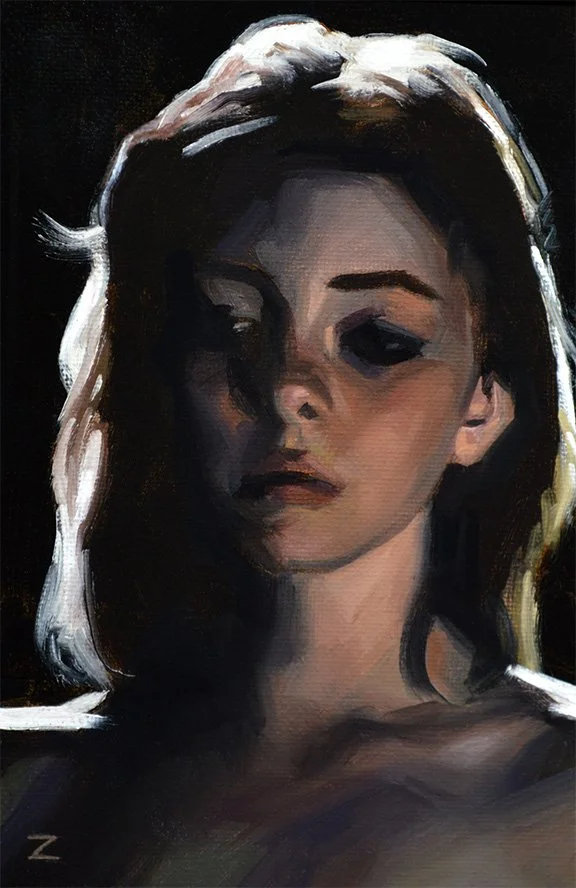
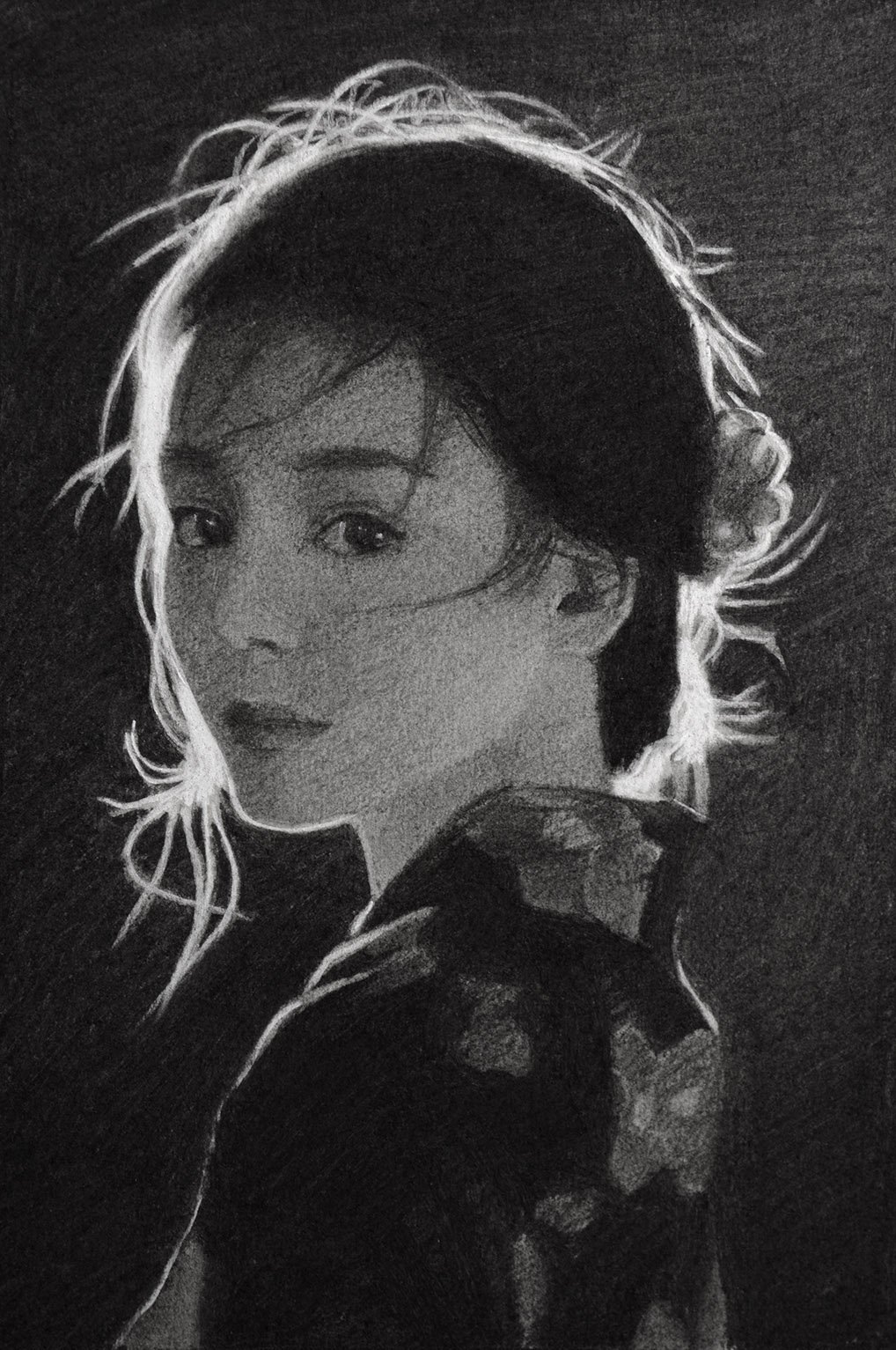
Drawing Accuracy and Proportion
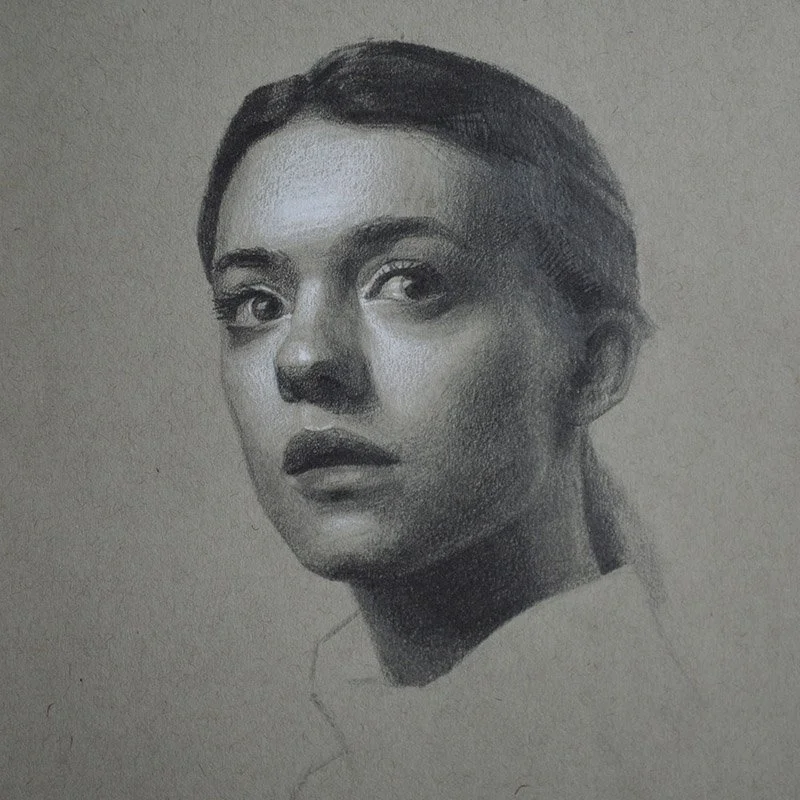
The foundation of any successful portrait is accurate drawing. Before an artist can convincingly describe the form of the head through light, shadow, and color, they must first establish its proportions and the relationships between its features.
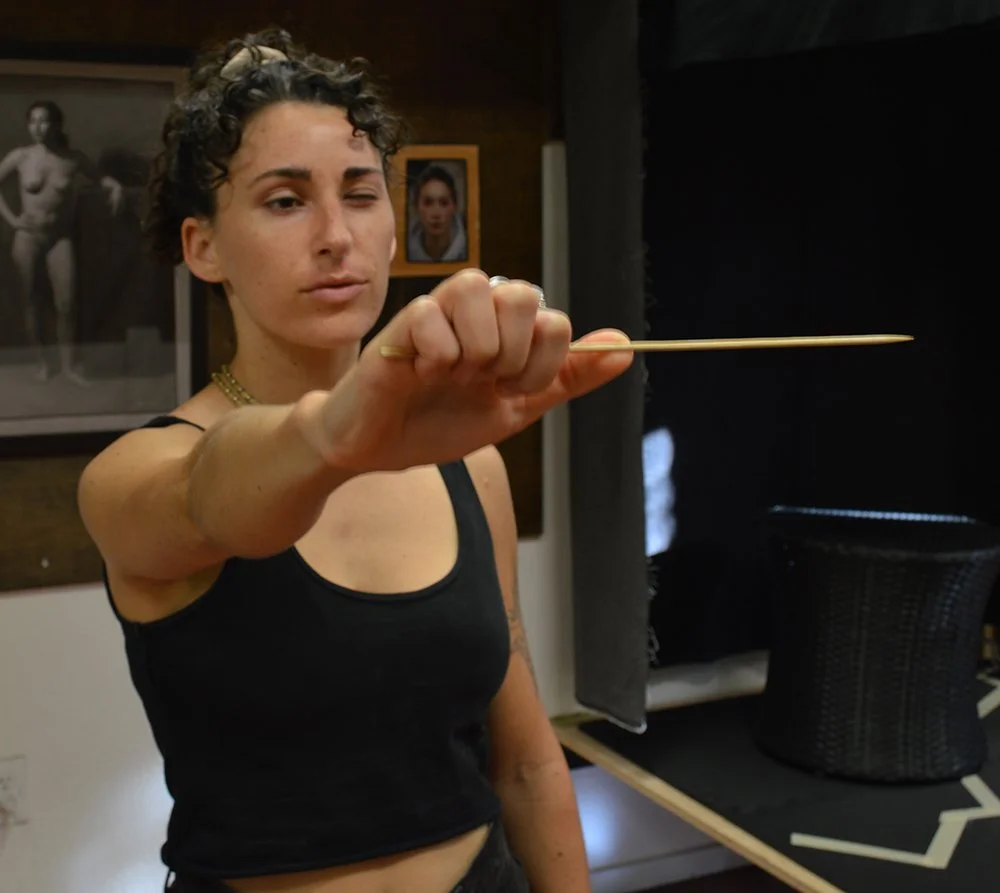
We will begin by exploring a variety of observational tools and measuring techniques that help artists develop a more accurate eye. Students will learn approaches for identifying proportions, comparing shapes, and translating what they observe into a convincing drawing.
These techniques are valuable not only for portraiture but for classical drawing and painting more broadly, providing a foundation that can be applied to virtually any subject.
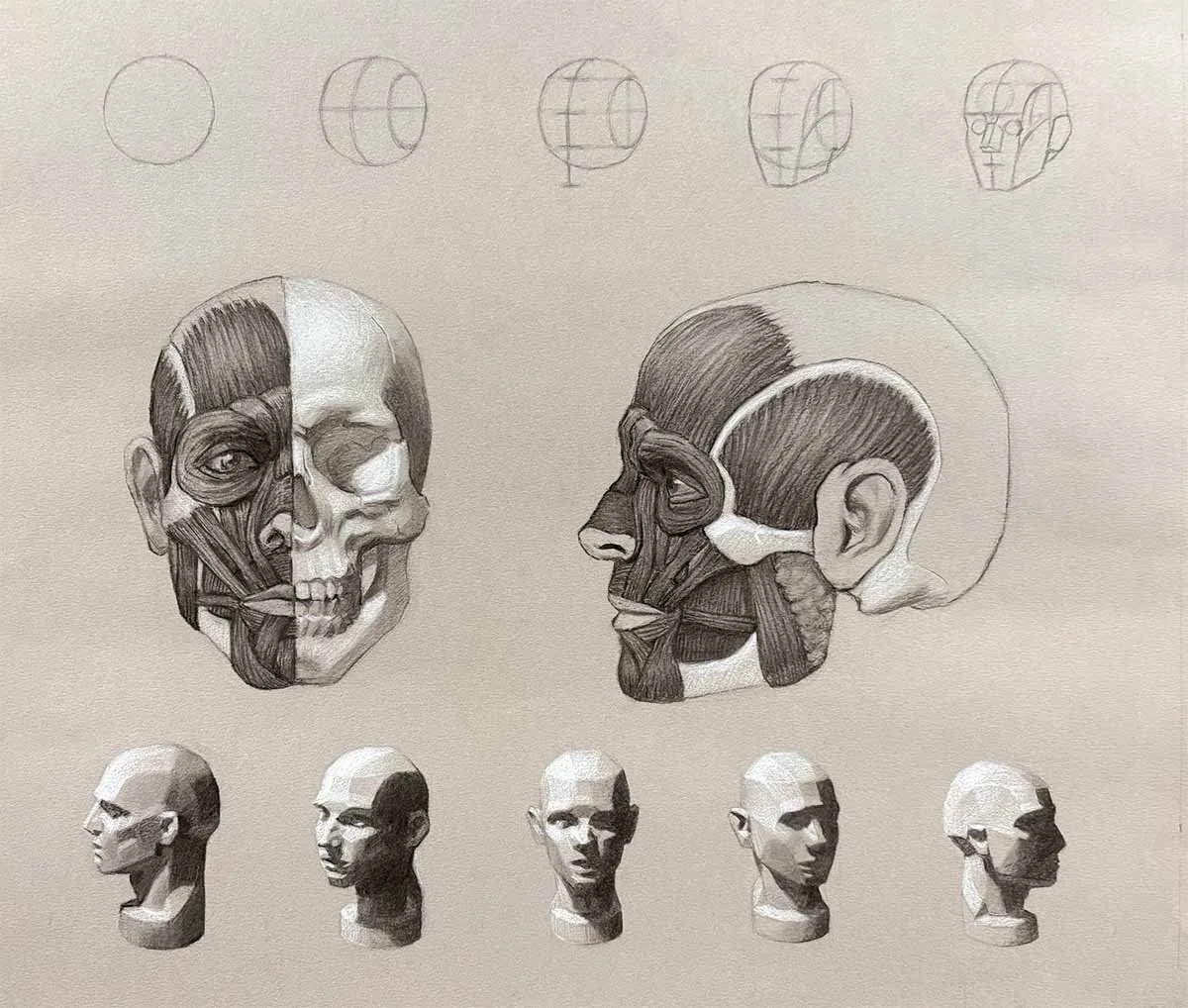
Understanding the Anatomy of the Head
One of the central challenges of portraiture is understanding the orientation of the head in three-dimensional space and how its individual features relate to the whole.
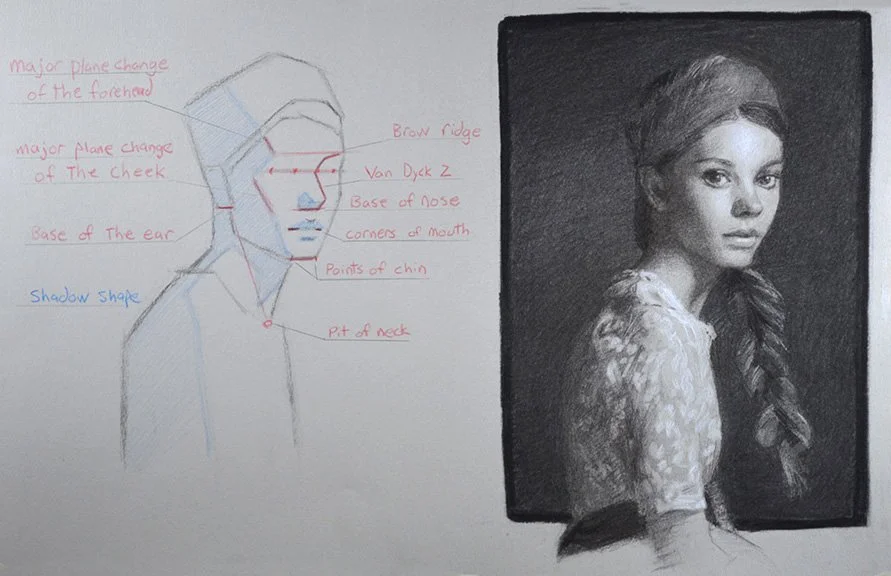
We will examine useful anatomical landmarks of the head, neck, and shoulders, discussing how these structures can help artists establish the position, tilt, and orientation of the head.
By learning to recognize these landmarks and the relationships between them, students can develop a more reliable starting point for constructing a portrait and better understand the underlying structure of the forms they observe.


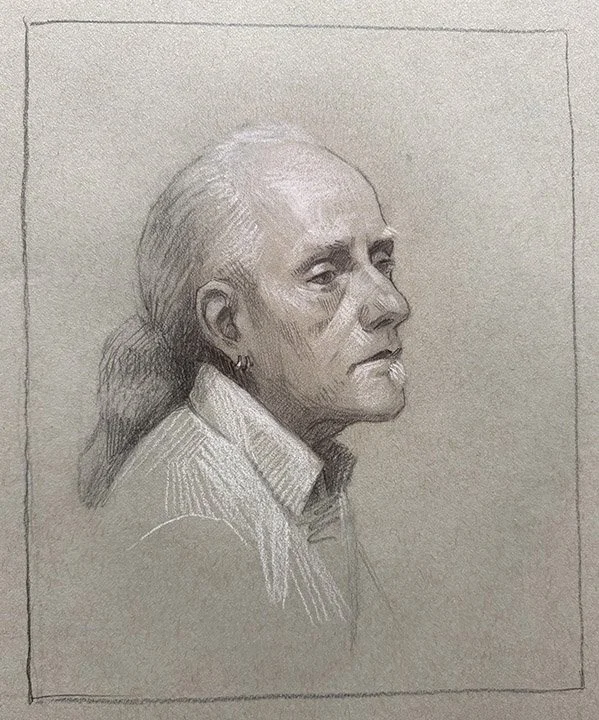
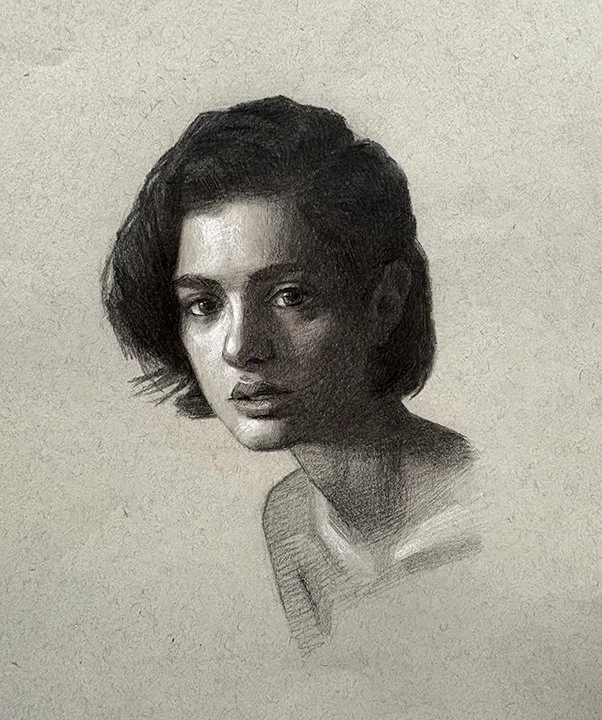
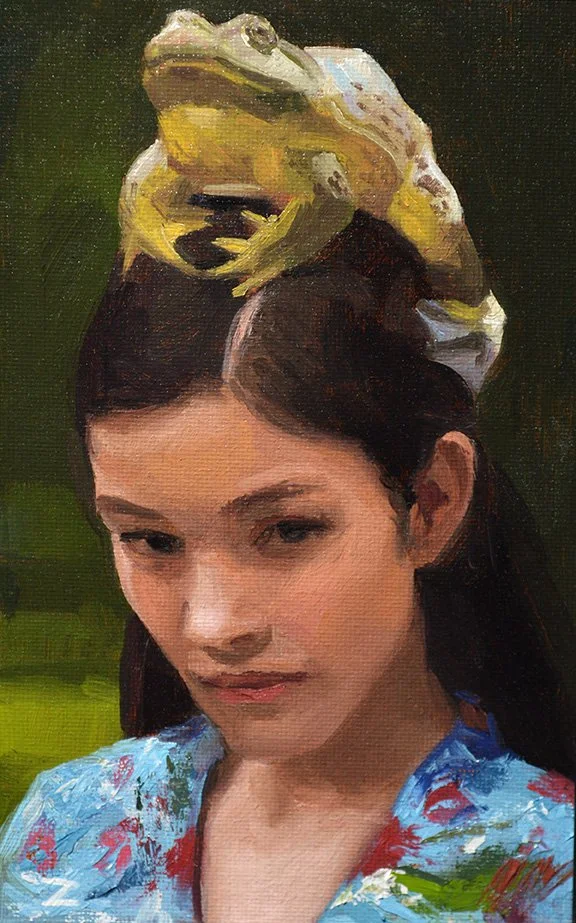
Value, Light, and Form
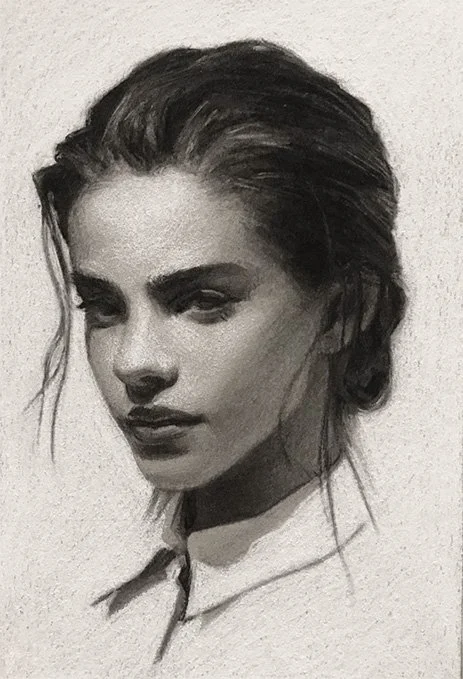
Once the initial drawing and proportions have been established, the next challenge is understanding and organizing values.
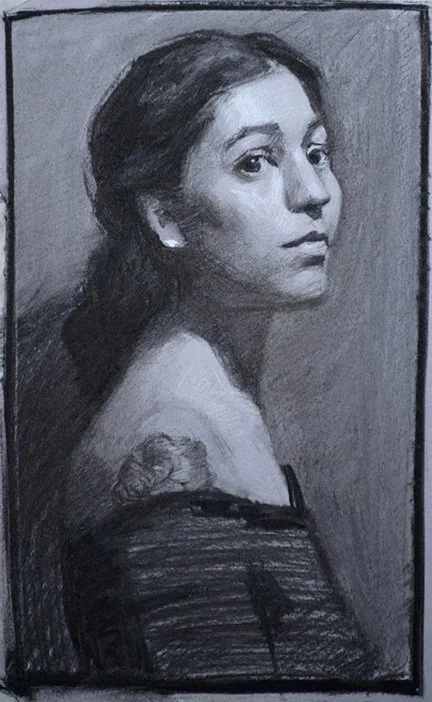
Value is one of the most important elements in creating the illusion of three-dimensional form. The relationships between light and dark allow an artist to describe the planes and volumes of the head, communicate the direction and quality of light, and establish a convincing sense of depth.
Much like a sculptor uses a chisel to reveal form, a draftsman or painter can use carefully organized values to describe the structure of the subject.
Value relationships also play an important role in composition, helping to establish visual hierarchy and guide the viewer's attention toward a focal point.
Throughout the workshop, students will be introduced to a systematic approach to observing, simplifying, and organizing values. This method provides a practical framework for creating convincing effects of light and form in both drawing and painting.
Color Mixing and Palette Organization
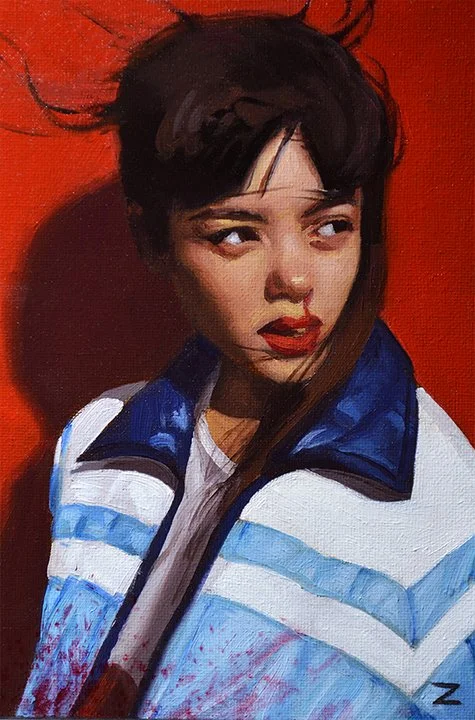
With the foundations of drawing and value established, we will turn our attention to the additional challenges of oil painting.
Students will explore the mechanics of color mixing, developing an understanding of how to arrive at desired colors through deliberate adjustments to their paint mixtures.
Particular attention will be given to the challenges of mixing flesh tones and the importance of organizing colors effectively on the painter's palette.
We will examine two different approaches to palette organization, discussing how each can simplify the mixing process and help artists work more efficiently and confidently.
By developing a systematic approach to mixing and organizing color, students can devote more attention to the painting itself rather than struggling to find the correct mixtures.
Workshop Structure: From Drawing to Painting
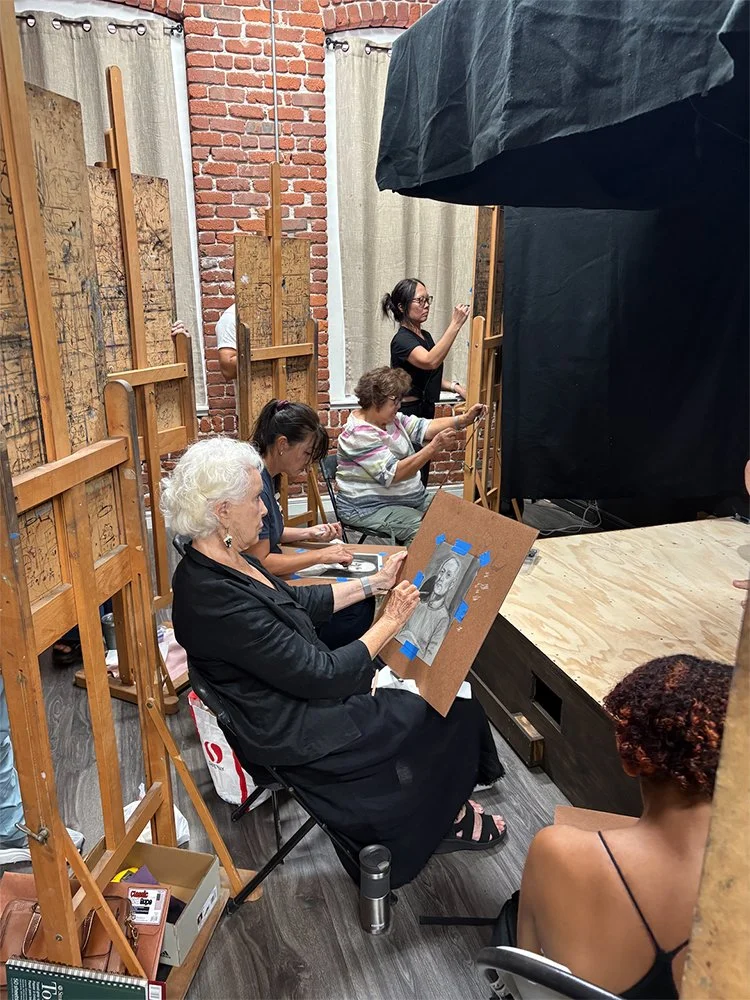
The workshop will begin with charcoal drawing, allowing students to concentrate on proportion, anatomy, and value without the additional complexities of oil paint.
As the workshop progresses, we will transition into color and oil painting, applying the same foundational principles to the challenges of mixing and organizing paint.
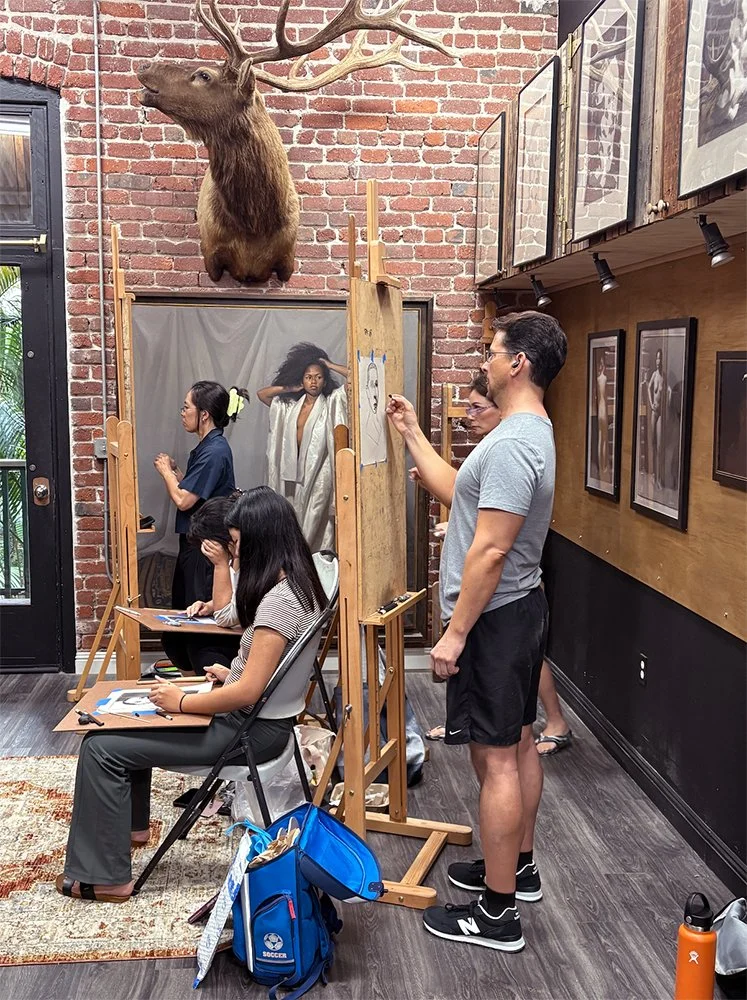
During both the drawing and painting portions of the workshop, students will begin by working from photographic references as new concepts and techniques are introduced. They will then have the opportunity to apply what they have learned while working directly from a live model.
This progression is designed to help students build upon each stage of their training, developing a more complete understanding of the portrait-making process.
Whether you are new to portraiture or looking to strengthen your existing skills, this workshop offers an opportunity to develop a more structured and confident approach to drawing and painting the human head.
I hope you can join us at ZAFA for this exploration of classical portraiture!
Details
June 12th to July 11th
Saturdays and Sundays from 4-7PM
In this workshop, students will work with both charcoal and oil paint as we discuss the underlying elements needed to create a portrait drawing or painting. We will work from photo references as well as live models. Students will learn techniques for taking accurate measurements and proportions, a systematic approach to constructing a portrait, how to effectively organize values, how to identify and utilize anatomical landmarks when constructing a head, how to mix accurate flesh tones, and much more over the course of the class.
Enrollment is confirmed upon completion of payment
“I have taken multiple classes and they are all so informative and fun! I would highly recommend taking this art class for anyone who is a beginner or experienced who wants to improve their skills!
”
“This month in your class has left me feeling like I finally understand an aspect of brushwork that had been eluding me.
I will be encouraging the artists I know to come learn from you.
”
“This was the most informative, thorough, and hands-on art class I have ever attended. Strongly recommend for anyone with a working knowledge of fundamentals looking to produce a work you did not think you were capable of doing.”
Get information about upcoming workshops, model sessions, and ZAFA news